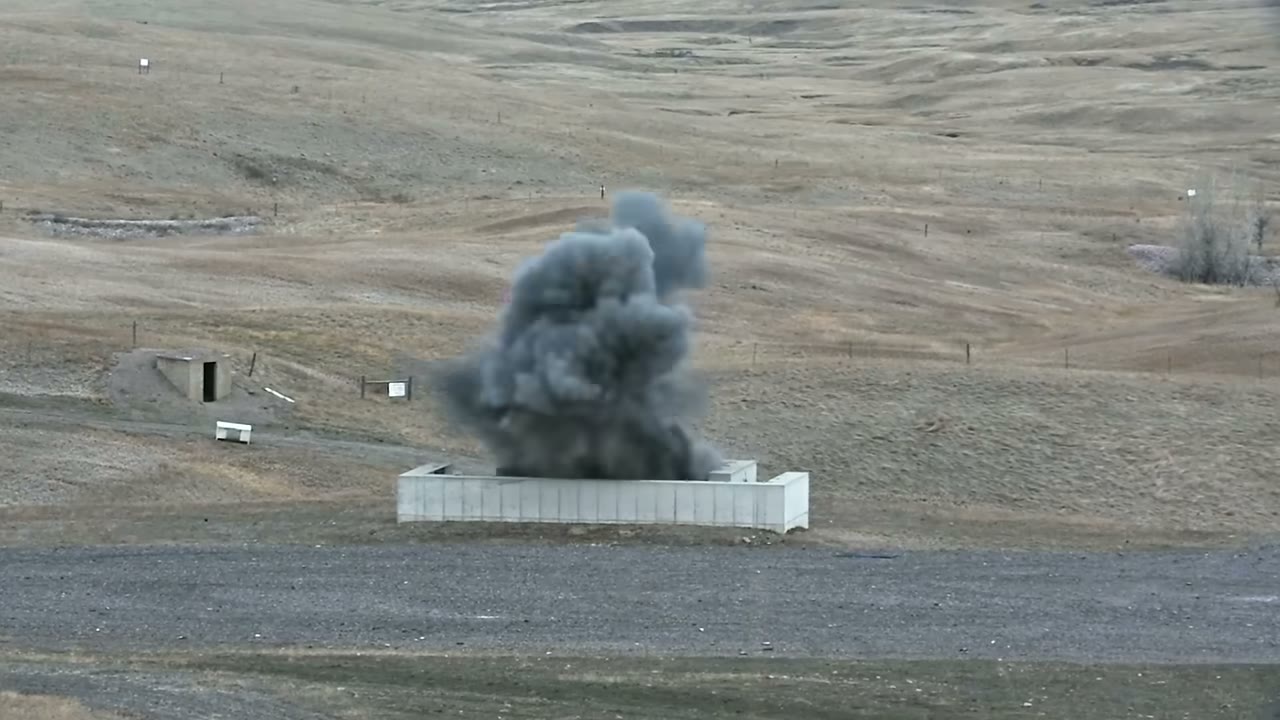
Russia hit Kyiv's Southern and Northern bridges with seven ballistic missiles on November 17, closing both crossings and disrupting water and heating. Hours later, Ukraine struck the Kerch Bridge in Crimea, destroying a section. The attacks came days after US-mediated peace talks.
1Russia Hits Two Kyiv Bridges With Seven Ballistic Missiles
Seven ballistic missiles hit both of Kyiv's main bridges in one night, splitting a city of three million people. Russia struck the Southern Bridge with four missiles and the Northern Bridge with three, according to the Ukrainian president. The attack came on the night of November 16th into the 17th. By sunrise, both crossings were closed to traffic.
Kyiv is cut north to south by the Dnipro, one of Europe's biggest rivers. The historic center, ministries, hospitals and universities sit on the right bank; vast residential districts on the left. Only a handful of crossings link them, and the Southern Bridge also carries the metro's green line.
With two bridges shut, rush hour brought endless traffic jams and metro stations so packed people could barely get through the doors. Water and heating were cut off in parts of the city in mid-November.
2Russia's Combined Assault Includes 306 Drones and 92 Jet-Powered Drones
Russia launched 306 long-range attack drones at Ukraine in a single night, including 92 jet-powered drones. Ukraine's Air Force said the assault also included Iskander-M ballistic missiles, Zircon missiles, S-400 missiles used in a ballistic role, Iskander-K cruise missiles, and KH-59 and KH-69 guided missiles launched from aircraft.
The 92 jet-powered drones mark a shift. Russian drones were long pictured as slow, noisy machines that could be brought down with a machine gun. Jet-powered drones are much faster and much harder to intercept.
3Why Ballistic Missiles Threaten Kyiv's Air Defenses
A ballistic missile climbs extremely high, then screams down onto its target at staggering speed, leaving only a few minutes between launch and impact. Stopping one takes very specific, very expensive systems like the Patriot, and Ukraine doesn't have enough of them — or enough interceptor missiles to keep reloading them.
That is what makes Russia's choice chilling. Slow drones can be shot down over a defended city, and cruise missiles often can be too. A salvo of ballistic missiles concentrated on two precise targets is a bet on saturation: fire faster than the defense can respond. Russia had already won that bet once, days earlier.
Journalists from the Kyiv Independent described some of the loudest explosions heard in months.
4Kyiv Bridge Damage, Casualties and Infrastructure Disruption
Two people were killed in Kyiv's Obolonsky district in the north of the city, and one person was injured, the state emergency service reported. It wasn't yet clear whether they died during the overnight strikes or later that morning, when a new drone alert was declared over the capital.
Mayor Vitali Klitschko confirmed both bridges were hit and both were closed. "We will provide updates as soon as new information becomes available," he said. Emergency crews and municipal services were on site assessing the damage.
Smoke rose over the city and the attack didn't stop: hours later, new blasts rang out, and authorities warned the ballistic missile threat was still ongoing. Water and heating were disrupted in some neighborhoods.
5Zelenskyy Warned of Imminent Strikes Before the Attack
Hours before the missiles hit, President Zelenskyy warned Ukrainians himself: take air raid alerts seriously, because intelligence pointed to imminent strikes. Everyone knew, and the missiles got through anyway.
How is that possible? The answer starts 10 days earlier, with a night when Russia was already sending waves of ballistic missiles at Kyiv — and the numbers from that night explain the gap between warning and defense.
6November 7 Attack: Only 4 of 36 Ballistic Missiles Intercepted
On November 7th, Russia sent 36 missiles on a ballistic trajectory at Kyiv, and only four could be neutralized, according to Zelenskyy. Roughly nine out of every 10 got through. The figure comes from the Ukrainian president and hasn't been independently verified.
The northern bridge was already in the crosshairs that night. Klitschko confirmed several missiles hit it, and the bridge was closed in both directions. One Ukrainian outlet reported a strike left a crater on the bridge.
Zelenskyy also claimed some of the missiles fired that day came from North Korea. Neither Moscow nor Pyongyang commented on the accusation. Against drones, Ukraine has learned to defend itself; against ballistic missiles, it is far more exposed.
7Russia's Month-Long Campaign Against Kyiv's Bridges
Russia had both Kyiv bridges in its sights for more than a month before the seven-missile night. In early October, drones struck both crossings, with two impacts near a support pillar of the southern bridge. Road surfaces were damaged and traffic was disrupted across the city. The Associated Press described it at the time as a new tactic to disrupt life in the Ukrainian capital.
Then the progression: drones in October, ballistic missiles on the northern bridge on November 7th, seven ballistic missiles on both bridges at once on November 17th. Each time the weapon gets heavier, the target more ambitious. Not isolated attacks — a campaign against Kyiv's arteries.
8Russia Deliberately Targets Bridges Across Four Ukrainian Regions
Russia is deliberately hitting bridges in four Ukrainian regions, Ukraine's defense minister said in writing on November 17th. "In recent months, Russia has been deliberately hitting our bridges in Zaporizhzhia, Dnipro, Kyiv, in Odessa region, considering this as their advantage," Yevhen Kamara said.
Four regions, one logic: cut cities apart, slow down emergency services, wear people down, and turn every everyday trip into an ordeal. Kyiv, the defense minister made clear, isn't the only city being targeted.
9Strikes Across Ukraine Kill 14 and Injure 78 in 24 Hours
Fourteen people were killed and 78 injured across Ukraine in 24 hours, according to local authorities — and the night of November 17th wasn't only about bridges. Explosions were reported in Smila, Kharkiv, Zaporizhzhia, Dnipro, Cherkasy and Pavlohrad.
In Zaporizhzhia, an industrial facility was hit. Regional officials counted six strikes; the acting head of the regional military administration, Mylo Semikin, reported two killed and 31 injured. In Smila, three people were injured, according to Cherkasy region head Ihor Taburets. In Kharkiv's Kholodnohirskyi district, mayor Ihor Terekhov confirmed a strike; 17 settlements across the region were hit and 14 people injured.
The toll ran across regions: three dead and two injured in Chernihiv region, where a house was hit; one dead and nine injured in Donetsk region; nearly 20 attacks across six districts in Dnipropetrovsk region, two dead and 20 injured; one dead and three injured in Kherson region, where the city and 33 settlements were targeted; one dead at a food production plant in Kirovohrad region; two dead and three injured at port and industrial sites in Mykolaiv; 40 attacks on 15 settlements in Sumy region, one injured.
10Strikes Damage Energy Infrastructure in Eight Regions
In Dnipropetrovsk region alone, 700,000 households were left without electricity that morning, according to DTEK, the country's largest private energy company. Not 700,000 people — households. Entire families with no lights, no electric heating, sometimes no water.
Russian strikes damaged energy infrastructure in at least eight regions: Cherkasy, Chernihiv, Chernivtsi, Dnipropetrovsk, Mykolaiv, Odesa, Rivne and Zaporizhzhia. According to Zelenskyy, Dnipropetrovsk, Kharkiv and Zaporizhzhia regions faced significant power outages.
In Rivne region, a single strike caused an outage stretching across more than 300 settlements. In Mykolaiv region, 76 settlements in the Pervomaisk district lost power. In Odesa region, two towns went dark. In Chernihiv region, far from the front line, a drone hit an energy facility and triggered an emergency blackout.
11Russia's Winter Plan Targets Power in Kyiv, Kharkiv and Odesa
A reported Russian plan for the winter aimed to cut electricity and heating in Kyiv, Kharkiv and Odesa by 90 percent to push Ukraine toward surrender, according to the New York Times, which said it had obtained the document a month earlier. Moscow hasn't confirmed it.
Zelenskyy described the strategy on November 15th: "The Russians have adopted a tactic of singling out a specific region and concentrating their strikes on it," he said, targeting power grids and substations over several days, one region at a time until it breaks. Since September, Dnipropetrovsk region has taken the most strikes — 131, according to the president.
12Starlink Speed Limits Hinder Ukraine's Interceptor Drones
Speed restrictions on Starshield, the military version of the Starlink satellite network, are still preventing Ukrainian interceptor drones from taking down Russian jet-powered drones, according to the Kyiv Independent. Ukraine relies increasingly on these small, cheap drones, which destroy Russian drones in midair, but they need a fast, reliable connection to work.
Zelenskyy went as far as accusing SpaceX of treating the occupied territories as not ours, giving Russia more room to attack. On missiles, his priority is clear: "We and our partners need to focus on missiles for Patriot and NASAMS systems because against ballistic missiles there's almost no alternative." The European Commission has promised emergency energy support, including generators and financial resources.
13Strikes Coincide With US-Mediated Abu Dhabi Peace Talks
Ballistic missiles hit Kyiv's northern bridge three days before US-mediated peace talks in Abu Dhabi — and again hours after they ended. The two delegations met on November 10th and 11th. Barely had the talks wrapped up when missiles and drones struck the capital. Then came November 17th and seven missiles on two bridges. On one side, talk of peace, security guarantees and a prisoner exchange. On the other, missiles fired at the capital's bridges.
14Ukraine Strikes Kerch Bridge, Destroying a Section
One of the metal arches of the Crimean Bridge and the automobile span beneath it were completely destroyed, according to Ukraine's Security Service. Sergey Aksyonov, the Moscow-installed head of occupied Crimea, announced Ukrainian forces had struck the Kerch Bridge. Traffic was suspended, and during the night and into the morning an entire section came down. Pieces now lie on the seabed. Ukraine's defense minister, Yevhen Kamara, presented the strike as a direct response to Russia's campaign against Ukrainian bridges, writing: "Today we responded in kind." Kyiv's damaged bridges are still standing; the Crimean bridge has lost a section, and experts say rebuilding could take a year or longer.
15Three Takeaways: Paralysis, Ballistic Vulnerability and Escalation
Russia has changed how it wages war on cities — no longer just trying to destroy, but to paralyze. A closed bridge slows a city; a destroyed substation leaves hundreds of thousands of homes dark, and winter is only just beginning. Ukraine remains extremely vulnerable to ballistic missiles: four intercepted out of 36 on November 7th, according to Kyiv, and seven missiles on two bridges on the 17th. As long as Patriot missiles are in short supply, this can happen again. The war of bridges is now a two-way street, and nobody knows how far the escalation can go.