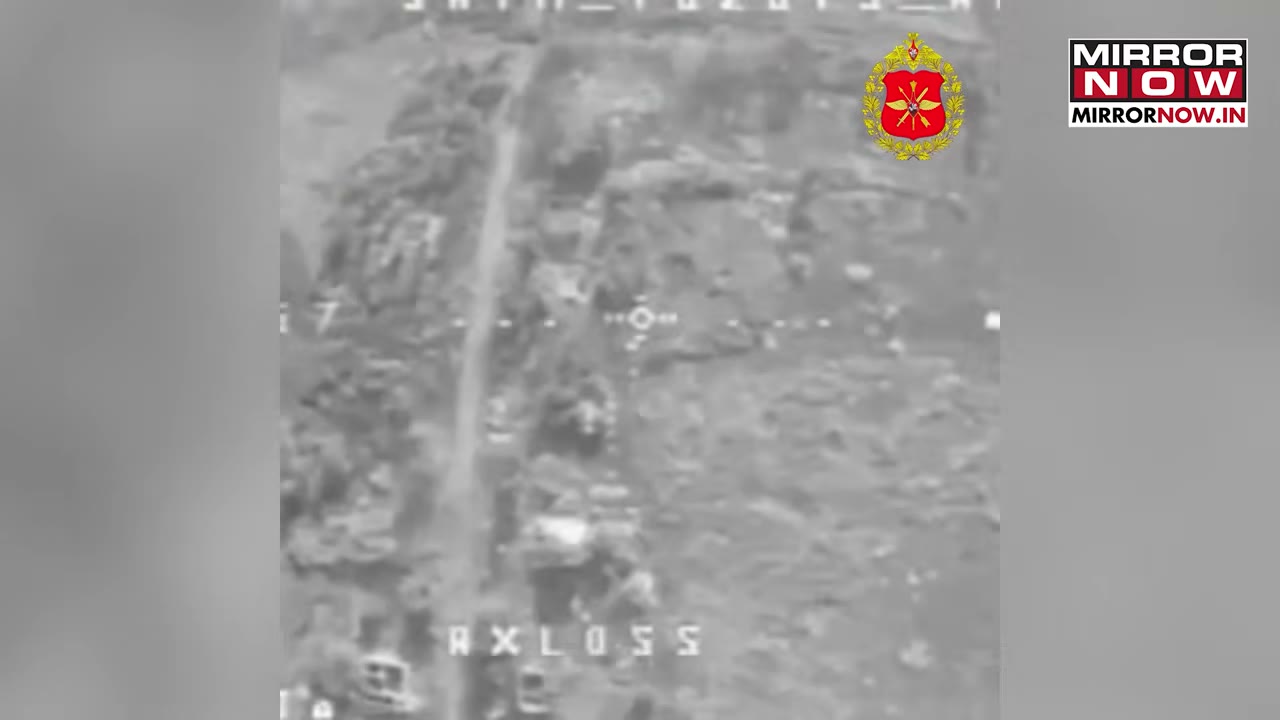
Ukraine says it struck the base of Russia's elite Rubicon drone unit in occupied Berdyansk, Zaporizhzhia, reportedly killing over 30 Russian servicemen. The unit is central to Moscow's drone warfare strategy, and Kyiv is targeting its personnel and infrastructure.
1Ukraine Strikes Rubicon Drone Unit Base in Berdyansk, Reports 30 Killed
Ukraine says it killed more than 30 Russian servicemen and wounded about 70 in a strike on the elite Rubicon drone unit, one of Moscow's most dangerous drone formations. The casualty figures come from the Ukrainian side and have not been confirmed by independent sources.
The Defense Forces of Southern Ukraine said the November 28 strike hit Rubicon's deployment facility in occupied Berdyansk, Zaporizhia region. The operation reportedly destroyed a pilot training base, drone depots and personnel locations, and allegedly hit representatives of the unit's leadership.
After the strike, ammunition detonated repeatedly, and a significant number of Russian soldiers were reportedly rushed to hospitals. Ukrainian sources also said the bodies of the dead were being taken to Mariupol.
The operation involved the Defense Forces of Southern Ukraine, the women's drone unit "Harpy", the Foreign Intelligence Service, "Alpha" of the SBU, and units of the Special Operations Forces.
2What Is Rubicon: Russia's Elite Drone Unit and Its Rapid Growth
Russia's Rubicon drone unit grew from roughly 1,150 people in 2025 to about 5,000 by spring 2026, according to an analysis by the Institute for Foreign Policy Studies. That rapid expansion helps explain why Ukraine is hunting it so aggressively.
The Center for Advanced Unmanned Technologies, known as Rubicon, was established in August 2024 by order of Russian Defense Minister Andrei Belousov. Its mission was to unify Russia's drone warfare under a single command, from development and procurement to training and battlefield deployment.
It is not an ordinary Russian military formation. Rubicon concentrates drone development, purchasing, training and combat use in one structure, making it a central piece of Moscow's drone strategy.
3Rubicon's Mission: Hunting Ukrainian Drone Operators and Networks
Rubicon does not just fly drones. It hunts the people and systems that keep Ukraine's drone network running, targeting Ukrainian UAV operators and trying to disrupt the combat networks controlling Kyiv's unmanned systems.
During the Kursk operation, Rubicon reportedly helped cut off supply routes to Ukrainian positions in Sudzh. The unit also hunts valuable Ukrainian reconnaissance drones, attempting to "blind" battlefield surveillance and disrupt intelligence gathering.
Its arsenal includes FPV drones and aircraft-type UAVs for reconnaissance and strike missions. It also fields electronic warfare and special anti-drone groups, adding pressure on Ukrainian operators.
The broader strategy is to attack the people, equipment and logistics behind Ukraine's increasingly sophisticated drone operations.
4Rubicon's Impact: Analyst Attention and Claims of 280,000 Targets Engaged
Rubicon says its forces engaged over 280,000 targets using more than 1 million FPV drones between January 2025 and August 2026. The figures are the unit's own statements and have not been confirmed by independent sources.
The unit's impact has drawn attention from military analysts. Rob Lee pointed to Rubicon's role in bridging the technological gap between Russian and Ukrainian drone warfare.
That assessment matters because Rubicon's stated scale of operations, if accurate, would mark it as one of the most active drone formations in the war.
5Ukraine's Repeated Strikes on Rubicon Assets and Long-Range Campaign
Ukraine struck Rubicon assets in Berdyansk, roughly 107 km behind Russian lines, underscoring the reach of Kyiv's long-range strike campaign. The last recorded strike came after another attack on Rubicon assets there on November 9.
The pressure is not limited to Berdyansk. Ukraine also struck positions associated with Rubicon in northern Donetsk region during Operation Vivaldi.
For Kyiv, the goal is clear: weaken the Russian unit responsible for hunting Ukrainian drone operators and disrupt its supply networks. But Rubicon has become a central part of Moscow's drone warfare strategy.
That makes destroying its bases, personnel and equipment potentially a far more powerful blow than a single attack on a military facility.