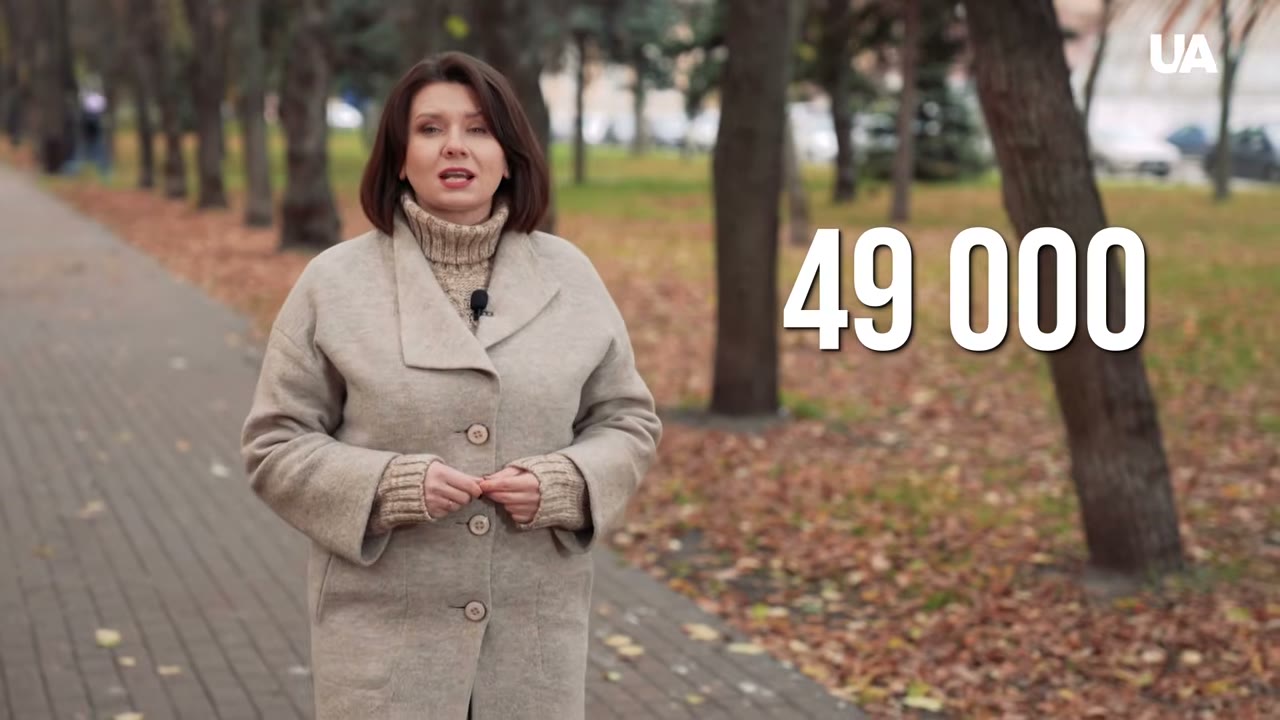
Ukraine's defense intelligence estimates Russia has lured roughly 49,000 foreign nationals from at least 151 countries into its army, most from poor regions of Africa, Asia and Latin America. Recruits are promised jobs and salaries of $500-$700, then sent into assault units with survival odds near 5%.
1Ukraine Estimates Russia Has Recruited 49,000 Foreigners From 151 Countries
Ukraine's defense intelligence estimates Russia has lured 49,000 foreign nationals into its war against Ukraine over the past few years. That figure counts only those whose identities have been confirmed by Ukraine's coordination headquarters for the treatment of prisoners of war and the defense intelligence of Ukraine.
The estimate is rough, meaning the true number could be higher. The recruitment machine has been described as a complex, carefully calibrated, well-oiled mechanism whose effectiveness is confirmed by numbers that are at once dry and absolutely terrifying.
2Recruiters Target Poor Regions of Africa, Middle East, Asia and Latin America
Recruiters are most active in Africa, the Middle East, Central and South Asia, and Latin America. The geography varies widely, but these countries share one thing: poverty.
That makes them easy hunting grounds for Russian recruiters, according to Ukraine's defense intelligence. The 49,000 people sent to die were lured from at least 151 countries.
3Glossy Propaganda Pitch Portrays Recruits as Welcomed Brothers
The pitch is glossy: everything will be fine. Those who have already joined the Russian army are called brothers. Recruits are given authentically Russian call signs, and they are even baptized and blessed before being sent off to war.
Russian propaganda and pro-war Telegram channels carefully craft this image, and recruiters recycle the myth in their ads. The message: volunteers are flocking to Russia from all over the world, and Russia welcomes them with warmth and respect.
4Reality for Foreign Recruits: Beatings, Torture and Moped Assaults
Black mercenaries are brutally beaten, left tied up in the freezing cold, and sometimes tortured with electric shocks, according to the report. Then they are herded into assaults.
First comes so-called training. In footage described, Russian commanders teach Africans to storm positions on mopeds, essentially turning them into easy targets for Ukrainian drones. Commanders use foreigners as cannon fodder, and they don't even bother to hide it.
5Russians Call Foreigners 'Disposables' and 'Can Openers' to Draw Ukrainian Fire
The word "disposables" has taken root in the Russian army as the term for Africans. Russian soldiers openly admit that in essence there simply is no other use for foreigners.
They are thrown first into attacks to locate and expose Ukrainian firing positions. "The Russians call them can openers," one speaker says. Their job is to draw fire onto themselves, letting the Russians pinpoint Ukrainian positions and forcing Ukrainian troops to spend shells and drones on mercenaries.
6Recruiters Offer Africans $500-$700 a Month to Avoid Death Payouts
Recruiters in Africa offer contracts with the Russian armed forces paying $500 to at most $700 a month. For someone from Sierra Leone, Sudan or Cameroon, that is really big money — but only a fraction of what Russians are paid.
The defense ministry is also saving budget money, with no social package and no need to pay death payments or benefits if a family loses its breadwinner. When recruits die at the front, they are listed as missing in action.
7Kenyan Mother Recounts Son David Kuloba Killed After Fake Security Job
David Kuloba, 22, worked construction sites in Ethiopia and Somalia to support his family. In August 2025, he turned to an agency that arranged jobs abroad. His mother, Susan, read the word Russia on the papers he showed her.
A Kenyan employment agency had offered him a security guard job with more than $7,000 promised on arrival. Susan begged him not to go, suspecting a trap. He left anyway. From Russia he sent a photo of a military ID. After two weeks of combat training, he was sent to fight in Ukraine. Soon after, David was killed.
8Analyst Says Survival Chance for Foreign Storm Troops Is About 95% Death
For foreign nationals fighting for Russia, the chance of survival is even smaller than for Russian prisoners. One analyst puts the chance of being killed in Ukraine for a mercenary from the Russian Federation at 95%.
"It's a one-way road for everyone who's going to the storm troops," the analyst says. African mercenaries are not flying drones or joining artillery positions — they are going to the storm troops.
9Protests in Nairobi Over Kenyans Recruited; 84 Killed or Missing
More than a thousand Kenyan citizens have fought for Russia in the war against Ukraine, according to official figures from Kenya's foreign ministry and intelligence. Of them, 84 are already listed as killed or missing.
Crowds gathered outside parliament and the foreign ministry in Nairobi, demanding authorities bring home those still alive and repatriate the bodies of the dead. Protesters held up photos of loved ones killed or missing. Mass protests have also hit Nepal, India and other African countries.
10Kenyan Recruitment Agency Head and Coordinator Detained Over Scheme
The head of a local recruitment agency was detained for using deception to enlist Kenyans to fight in the war against Ukraine. A criminal case has been opened against him on charges of illegally sending young men to the front.
Also detained were the scheme's coordinator, Kenyan national Edward Gituku, and Russian citizen MK Leapin. The arrests came soon after protesters demanded Kenya's authorities stop citizens from being recruited. All this is only a tiny fraction of a vast, sprawling network operating worldwide.
11Recruiters Use TikTok and Social Media Promises of Apartments and Citizenship
Russia's Ministry of Defense has developed a very big network of recruiters reaching every little village, even in Kamchatka and around Lagos in Nigeria, according to one analyst. The internet is helping very much.
Campaigns run on social media, including TikTok videos — the analyst is unsure if they were AI or real — promising an apartment after serving in Ukraine, very good pay and even citizenship. Some recruits say they were promised Russian citizenship.
12Some African States Crack Down on Recruiters but Network Keeps Running
South Africa, Zimbabwe, Botswana and Ghana have started cracking down on recruiters. But the criminal network keeps running because authorities in many African countries cave to pressure from Putin, according to the report.
Putin has showered Africa with compliments, calling it the key continent and saying the future belongs to Africa. Africa happens to be one of the main places where the Russian army recruits its so-called contract soldiers.
13Recruits' Passports Seized and Contracts Signed Without Understanding Russian
Recruiters lure people from Africa, Asia and Latin America with promises of citizenship and assurances the work will have nothing to do with combat. As soon as they arrive in Russia, their passports are taken and they are forced to sign contracts with the defense ministry.
People who don't speak Russian sign without understanding what they are signing. They are promised jobs in the rear or in occupied territories — a kitchen, logistics, driving. "They're treated worse than livestock," the report says. Then they are thrown into assaults.
14Captured Zimbabwean Daniel Pomo Says He Was Promised Apple-Picking Work
A Zimbabwean who thought he was flying to Russia to pick apples ended up carrying grenades on Ukraine's front line. Daniel Pomo, who worked at Zimbabwe's Ministry of Education, said low pay pushed him to find an agent offering farm work abroad.
"Supposedly, there were farms in Russia where you had to pick apples," he said. The paperwork never added up, but he signed anyway. Most documents were never translated into English, he said: "I was lied to."
He learned it was war at a training camp, where he was taught to use radios, weapons and grenades. At the front, his bag of Zimbabwean diplomas was thrown away. He was sent out with one magazine and two grenades.
15Daniel Says Recruiter Withdrew His Promised Pay Via Linked Phone
Daniel Pomo says millions in promised pay vanished from his bank account — and he blames the recruiter who kept a second phone. Money arrived, then was withdrawn almost immediately, he said.
"As soon as the 2.6 million came in, it was withdrawn," he said, adding that another 400,000 was also taken. The recruiter had listed himself as a guarantor with the bank, according to Daniel.
The recruiter bought two phones, Daniel said — one for him, one the recruiter kept. The account was linked to that second phone, so the bank's messages went to the recruiter, not to him.
16Cameroonian Student Divine Says He Was Paid Only 4,000 Rubles
Cameroonian student Divine says he was promised about 800,000 rubles plus 200,000 a month. When he checked his new bank account, it held 4,000 rubles.
Divine came to Russia for work to help his family. "Every day we struggle to eat," he said. A friend who had moved to Russia said there were jobs for foreigners. The papers that friend brought turned out to be a contract with the Russian Defense Ministry. Divine, who doesn't speak Russian, had no idea.
"They said, 'No, no, that's just for food,'" he recalled. The rest never came.
17Recruitment Methods Compared to Kidney-Trafficking Deception
The trick used to recruit foreigners for Russia's army looks a lot like the one used to sell kidneys, according to the account in the video.
"It's no big deal. You have two kidneys and one is basically a spare," victims are told, before being left disabled for life because they didn't understand what they signed. The same pattern, the account says, plays out in the poorest countries, and the people who end up in the war come from roughly the same places.
The question left open: just how many foreigners are now in the Russian army.
18Foreigners Make Up Nearly 10% of Russian Prisoners of War in Ukraine
Almost 10% of Russian prisoners of war held in Ukraine are not Russian. One in 10 is a foreigner, and the numbers keep rising.
Footage from one of Ukraine's five POW camps shows growing numbers of Africans, Latin Americans and Asians arriving each month. Ukraine says everyone is held in conditions that fully meet the Geneva Conventions.
That status matters: Ukraine calls them "foreigners recruited by Russia" rather than mercenaries, because most signed contracts with the aggressor state's armed forces and therefore fall under the Geneva Conventions. Kyiv says it is ready for dialogue with the countries they come from.
19Filipino Raymond Gumangan Recruited via Facebook, Wounded in Drone Attack
A 53-year-old Filipino found through a Facebook group survived a Ukrainian drone attack and was taken prisoner in 2025 in Sumy region.
Raymond Santos Gumangan signed with the Russian Defense Ministry after recruiters found him online. The job, he was told, was in the rear. "We were told we'd work at a warehouse for a military supplier," he said.
After a briefing, they took him on his first mission — a meatwave assault. He was wounded in the eyes.
20Turkish Citizen Mehmet Gulbai Says Online Ad Led Him to Assault and Capture
A Turkish citizen in serious financial trouble answered an online ad for the Russian army. He says he was promised a rear job and never saw the money.
"I sent a message. Later they called me back," Mehmet Ugur Gulbai said. He traveled to Russia, signed a contract and went to a training center. "I don't know Russian. I asked to work in the rear," he said. "I wasn't thinking about war assaults."
Sent into an assault, he was captured. Now he's glad he didn't die at the front, and urges fellow Turks not to repeat his mistake: "War is no joke. It's not a video game."
21Nepali Ram Bahadur Katri Sought Passport, Was Beaten Trying to Escape
Nepali citizen Ram Bahadur Katri signed a Russian contract because he wanted Russian citizenship. He says he was beaten when he tried to escape.
His commander promised a passport after five months. By then, Katri wanted out. "Please, I don't need a Russian passport anymore. I just want to go to Nepal," he said he told the commander.
He tried to run, was caught and brutally beaten, he says. Ukraine captured him after he was thrown into an assault. Now he wants to return to Russia in a swap — to collect his money and go home.
22Captured Foreigners Are the Lucky Ones; Recruiters Pocket Their Pay
Foreigners captured by Ukraine are, quite literally, the lucky ones. In POW camps they are safe, their rights protected and guaranteed — food, medical care, their faith, contact with their families.
They will never again be fed into Russia's war. Even Russian soldiers swapped back home are sent straight to the front, according to the account.
For the foreigners, there is another catch: once returned to Russia through an exchange, none of them will see their contract money. In most cases, recruiters pocket it as soon as they are handed back.
23Russia Rounds Up Labor Migrants and Students and Tortures Them Into Contracts
Russia is no longer just recruiting foreigners — it is rounding them up. Labor migrants and foreign students already living in Russia, some with work or residence permits, are dragged to the front.
First they are lined up in rows. Then they are forcibly taken to detention centers for foreign nationals. The account describes it as torture — the method used to force them to sign contracts.
These are people who already speak some Russian and hold legal paperwork. The pressure comes not through offers but through detention.
24Kazakh Teen Kamir Nuralv Beaten and Blackmailed Into Signing, Then Jailed
Kazakh citizen Kamir Nuralv, 19, came to Russia to work at a meatpacking plant. Unidentified men grabbed him off the street, and his mother says he was beaten and blackmailed into signing a military contract.
She says he was threatened with planted drugs. She appealed to the foreign ministries and presidential offices of Kazakhstan and Russia. Moscow told her he was at a military unit in Milovvo — a unit so notorious that even pro-Kremlin bloggers are outraged.
After diplomats and media coverage intervened, he was pulled out. Then he was sent back to Ulyanovsk and jailed on what the account calls a fabricated drug case.
25Over 3,800 Kazakh Nationals Identified Fighting for Russia
More than 3,800 Kazakh nationals who signed contracts with the Russian armed forces have been identified, according to the I Want to Live project, as of October 2026.
Over the past two years, the number of Kazakh citizens fighting for Russia has soared. Many are pleading for help, recording appeals straight from their dugouts.
Some were tricked into military service; others were forced through pressure and threats. The families of at least 20 of these men have turned to a lawyer.
26Kazakh Families Protest in Astana, Lawyer Says Men Were Conned
Families of at least 20 Kazakh men who ended up at war have turned to lawyer Marman Shikv — and some have already received death notices.
The men say they were hired as security guards for kindergartens and schools. "They told us no contract, no job. We signed and we got conned," one said. The lawyer says they went in good faith.
Relatives protested outside the foreign ministry in Astana. Some families have lost all contact; for others, phone geolocation places their loved ones in the combat zone in Luhansk region.
27Ukraine Urges Global Action Against Recruitment Networks and Financing
Ukraine wants the world to hunt down the people who recruit foreigners to fight for Russia. Speaking at the foreign ministry, Kyiv called on the entire international community to identify and detain both the organizers and the middlemen.
It wants them held fully accountable under laws on mercenarism and human trafficking. It also wants advertising campaigns shut down — the online platforms, Telegram channels and social media accounts used to draw foreigners into combat operations on the side of the Russian army.
Kyiv further urged stepped-up cooperation between intelligence services and law enforcement to expose recruitment cells and the channels through which they are funded.
28Recruitment Numbers Soar From Under 100 to 16,000 in First Half of 2026
Russia recruited 16,000 foreigners into its army in just the first half of 2026 — roughly 1,800 a month, or at least 60 every single day from countries on four continents.
The growth has been relentless. In the first year of the war, fewer than 100 were recruited. In 2023, more than 4,000. In 2024, over 8,000. In 2025, more than 16,000.
"This is a well-oiled machine that is only gaining momentum," the foreign ministry said.
29Report Concludes a Job in Russia Is a Ticket to Hell
A job in Russia is a ticket to hell, Ukraine's foreign ministry warned, saying that whatever work, salary or citizenship recruits are promised, they end up on the front line.
Tens of thousands have already paid with their health, their freedom and their lives for believing the recruiters' lies, the ministry said. Only the widest possible publicity can stop the trend, it added.
The ministry claimed Putin has poured enormous resources into a sprawling mercenary machine because fewer and fewer Russians are willing to die for the Kremlin's imperial ambitions.