Ukrainian intelligence ran a seven-week operation behind Russian lines in Sumy, taking 29 prisoners and stalling a Russian offensive. October was Russia's bloodiest month with over 54,000 casualties, while Ukraine struck four oil refineries in five days. The US approved 500 Patriot missiles, but delivery timing remains uncertain.
1Ukrainian intelligence runs seven-week operation behind Russian lines in Sumy
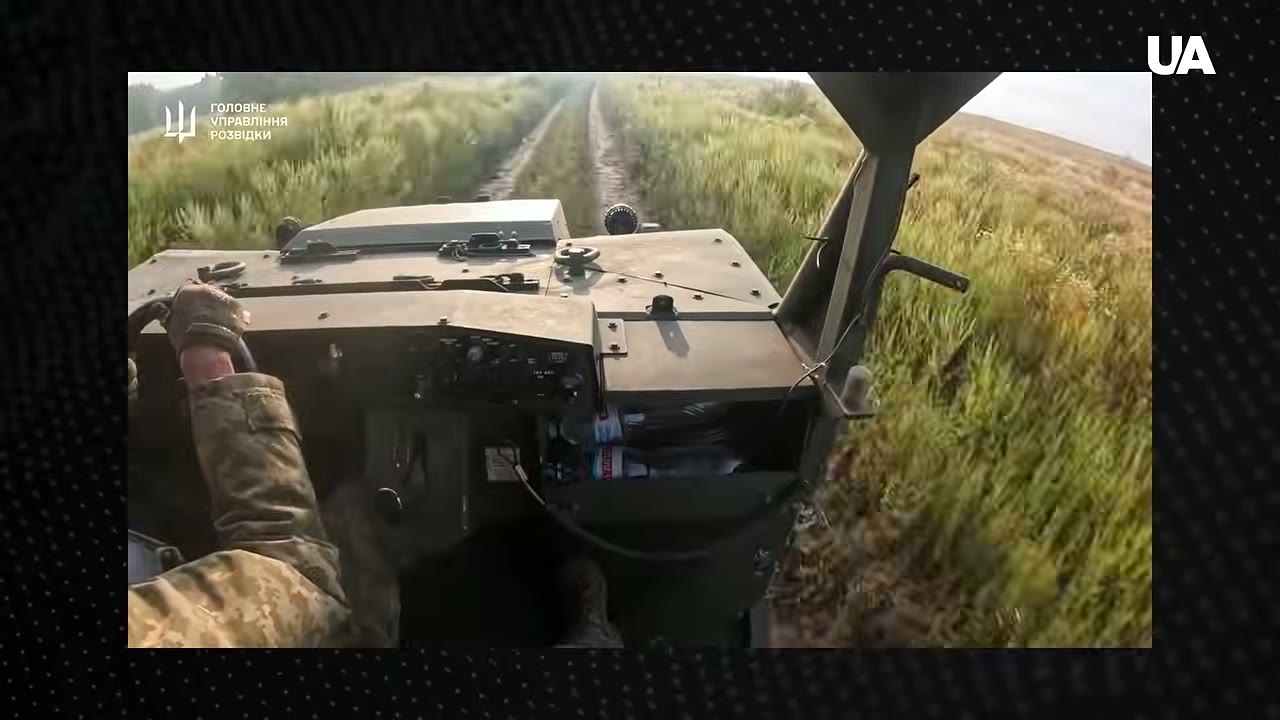
Ukrainian special forces captured 29 Russian soldiers while operating undetected behind enemy lines in Sumy Oblast for seven weeks. The unit, codenamed "Cheburechna," reported each prisoner over the radio as "another cheburek" — a slang term for a fried pastry.
Training took about a month. Fighters then spent seven weeks in two phases in dense forests, steep slopes and deep ravines, clearing critical supply routes before pushing deep into the woods to set ambushes and dislodge Russian units from fortified positions.
A radio game worked so well that even after the Ukrainians withdrew, Russian commanders believed their troops still held the positions for another two weeks — sending supplies and trying to re-establish contact with soldiers who were no longer there.
When Moscow finally realised, it hit the forests with heavy artillery and drones dropping incendiary munitions, setting them ablaze. By then, Russia's offensive in the area had been stopped.
The unit cleared about 640 hectares of forest and handed the territory to other Ukrainian units, which built defensive lines and still hold them. Russia lost over 100 soldiers killed, over 150 wounded and 29 captured, according to the report. Ukraine also destroyed 61 drone launch points, a command post, about 30 artillery systems, almost 370 pieces of equipment and over 600 dugouts and fortifications.
2October becomes Russia's bloodiest month as Ukraine retakes more territory
Russia lost more than 54,000 soldiers killed and wounded in October — its highest monthly toll since the full-scale invasion began, according to Ukraine's General Staff. The figure significantly exceeds the previous record, set in December 2024.
Ukraine also liberated more territory than Russia captured. President Zelensky announced on November 1 that about 96 square kilometres were returned to Ukrainian control — roughly 10 square kilometres more than Russian forces took that month, putting Russia's October gains at approximately 86 square kilometres.
Ukrainian air defences destroyed over 8,000 drones and missiles during the month. A Ministry of Defense breakdown lists 53 missiles shot down, along with almost 4,500 Shaheds and decoy drones, almost 2,700 Shahed jets, over 1,000 reconnaissance drones and about 800 Lancets.
3Ukrainian long-range strikes hit Russian missile and drone supply factories
Ukrainian long-range strikes hit factories supplying parts and fuel for Russian missiles throughout October. Early in the month, drones attacked a plant producing chips for Iskander ballistic missiles and electronic components for cruise missiles.
Later, British Storm Shadow missiles likely hit two more factories making electronics and batteries for Iskanders. At month's end, Ukrainian Neptune missiles and drones struck a chemical plant in southern Russia producing solid rocket fuel for Iskanders, damaging at least four production facilities and causing a warehouse fire.
Drones also hit a plant in the Urals producing almost all of Russia's titanium sponge — used in aircraft and missiles. The most distant target was about 2,500 km from the front line.
At least eight Russian fighter jets were destroyed on the ground. In three separate airfield attacks, SBU drones destroyed a Su-35 and Su-34 in southern Russia and damaged an ammunition depot; Neptune missiles destroyed at least four Su-34s and damaged two more at another airfield; and a third strike near Volgograd destroyed two more Su-34s. Russia also lost two Su-30s in training crashes and a Su-57 that caught fire after engine failure on takeoff. In total, Russia lost 11 aircraft and two helicopters beyond repair in October.
4Ukraine changes tactics to knock out single refineries for months
Ukraine has changed how it attacks Russian oil refineries — focusing all of a night's strikes on a single plant instead of spreading drones across several targets. The aim: knock out several key units at once and put the refinery out of action for many months, not just weeks.
The shift became visible in late October, when four Russian refineries were attacked one after another within five days.
Beyond storage tanks, whose fires are visible in footage, refineries have vulnerable units including primary oil refining, diesel refining and high-octane gasoline production. When several fail simultaneously, repairs take far longer — the equipment is specialised, and sanctions make it hard for Russia to obtain replacements.
5US reportedly asked Kyiv to pause refinery strikes before midterms
US media, citing military officials, reported that Ukrainian units preparing long-range strikes were asked to suspend attacks on Russian oil facilities until November 3 — the day of the US midterm elections — due to the difficult diplomatic situation. That report came at the end of October.
For 10 days, Ukraine did not attack a single Russian energy facility.
President Zelensky stated there was no official ban and that the military could resume attacks whenever it deemed appropriate.
6Ukraine resumes refinery attacks, hitting Samara, Ufa, Lukoil and Yanos plants
Attacks on Russian refineries resumed on the night of October 30, with the Rosneft plant near Samara the first target. It processes over 8 million tons of crude a year and makes over 20 types of products. Fire Point, maker of the FP-1 long-range drone, said its drones hit the plant numerous times, including a diesel fuel purification unit, recording at least 11 fires. The regional governor said only that air defence and fire brigades were working.
On the morning of October 31, a fire broke out at a refinery in Ufa, roughly 1,400 km from Ukraine — one of three Rosneft plants in the city that together process more than 23 million tons a year. The fire hit a unit producing the main component of high-octane gasoline and hydrogen needed to purify fuel; damage to that single unit can stop the whole refinery, the report said.
Early on November 1, drones struck the Lukoil refinery in central Russia, the country's fourth largest, processing about 17 million tons a year and providing up to 11% of Russia's gasoline. FirePoint marked the Halloween-night strike with the message: "Candy or death." Neighbours reported explosions and fire; the regional governor acknowledged a massive drone attack and significant damage to an industrial facility.
On the night of November 3 — the date said to end the alleged pause — drones hit the Yanos refinery north of Moscow, about 700 km from the Ukrainian border, one of Russia's five largest, processing about 15 million tons and supplying fuel to central and northeastern Russia. It was the second attack on Yanos since autumn began; a mid-September strike disabled almost 40% of capacity and forced a halt.
7Ukrainian intelligence says 15 of 38 major Russian refineries are out of order
Fifteen of Russia's 38 major refineries were out of order by the end of September, and another 12 had cut production, according to the latest assessment from Ukraine's Ministry of Defense. Refining at these enterprises has more than halved since the start of the year.
Plants in central and southern Russia and along the Volga were hit hardest, together providing almost a third of Russia's refining. Siberia and the Far East raised output by about 150,000 barrels per day, but Russia lacks rail tankers, tankers and fuel trucks to move fuel west. Maintenance at those plants has been postponed to 2027, which may cut production next year.
Ukrainian intelligence estimates total losses to Russia's oil industry at over $23 billion — almost equal to the sector's revenue for all of 2025. Replacing damaged equipment could cost over $20 billion. Russia has begun importing fuel through "gray" schemes to skirt sanctions, and according to Ukrainian intelligence can no longer fully meet both domestic needs and export obligations.
In late September, Putin confirmed a decree restricting public access to refining data. Ukrainian intelligence claims it makes independent monitoring impossible and allows unreliable diesel figures to be submitted to countries still buying Russian oil.
8US approves sale of 500 Patriot PAC-3 missiles to Ukraine
The US State Department approved the sale of 500 PAC-3 missiles for Patriot systems to Ukraine — a package worth $2.1 billion that also includes spare parts, equipment and technical support, with Lockheed Martin as prime contractor. The approval came on October 30, the same night refinery attacks resumed.
No American funds are involved: Canada, Germany and Norway cover part of the cost, and the rest comes from a European Union loan.
President Zelensky said Ukraine had waited almost a month for updated information from Defense Secretary Pete Hegseth on Patriot missile supplies and other air defence assets. The PAC-3 is the interceptor Ukraine relies on against Iskander ballistic missiles and North Korean-made missiles used in October attacks.
The weak point is timing. According to Zelensky, deliveries could only begin in a few years. Kyiv has requested a winter package of 100 interceptors per month and proposed taking missiles from existing US and partner stockpiles now, then replenishing them later at Ukraine's and allies' expense. One American journalist, citing his own sources, claims that under the current schedule deliveries should not be expected until 2030. At Kyiv's request, 500 missiles would cover five months of winter.
9Zelensky says midterm results raise chances of more US support
President Zelensky said after the US midterm elections on November 3 that the chances of receiving greater American support had risen. He has been pushing for a new aid package, with $16 billion reportedly promised, according to the report.
10Spain and EU announce new aid packages for Ukraine
Spain pledged €440 million to strengthen Ukraine's air defenses against Russian attacks on energy and transport, announced after President Zelensky met Spanish Prime Minister Pedro Sanchez in Madrid on November 5.
Madrid did not disclose what the package contains or when deliveries will be made. It also did not clarify whether the money is part of the billion euros promised in March or is new funding. Separately, Spain allocated €570 million for Ukraine's reconstruction this year.
On the same day, Ukraine received over €4 billion from the European Union, of which €660 million was allocated for defense. That program provides for up to €90 billion this year and next, with €60 billion intended for weapons, drones, air defense and Ukraine's own defense production. Ukraine will begin repaying the loans only after Russia pays reparations.
Zelensky also said Ukraine would work on a new aid package and raise the issue of $16 billion that was reportedly agreed upon but never received.