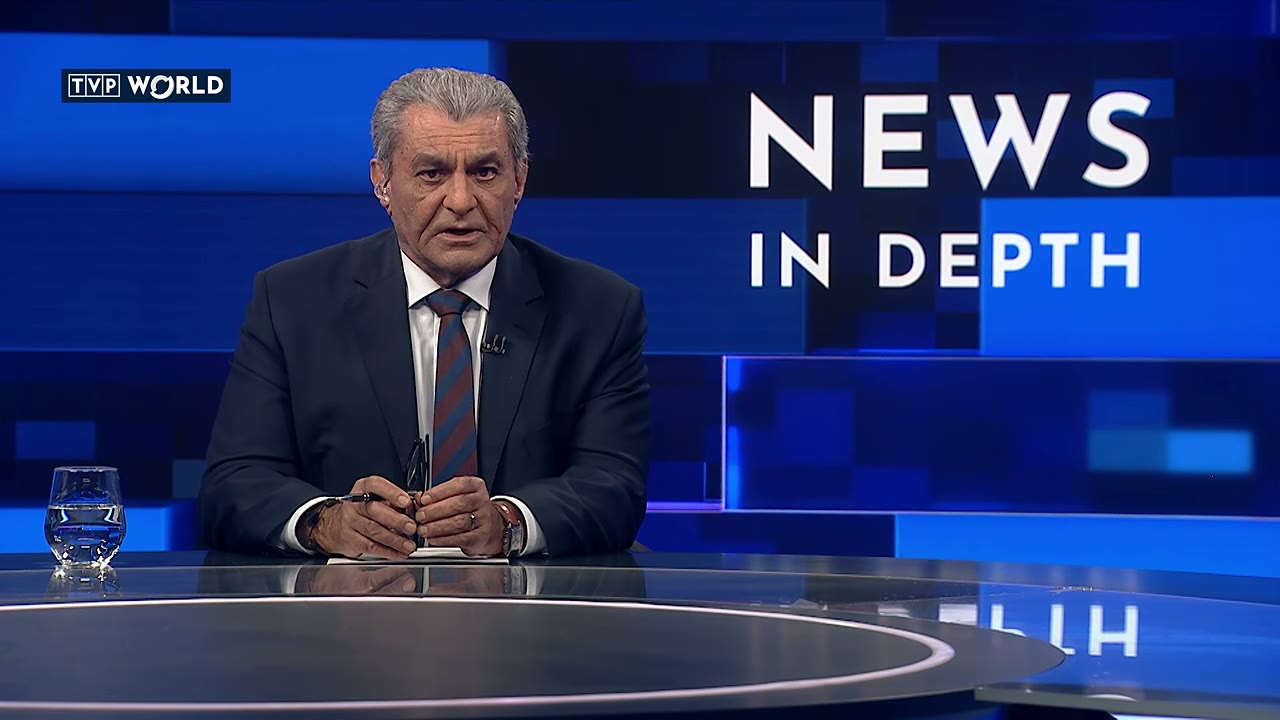
EU leaders meet in Brussels to negotiate the bloc's next seven-year budget amid deep divisions over spending cuts, new taxes and how to fund Ukraine. Germany wants all 27 states to share Kyiv's funding, while Hungary, Slovakia and others oppose tying Ukraine aid to the EU budget.
1EU Leaders Head to Brussels for Contentious Seven-Year Budget Summit
EU leaders will meet in Brussels on Thursday and Friday to negotiate the bloc's next seven-year budget, with a 1.6 trillion euro package on the table and deep divisions over spending cuts, new taxes and funding for Ukraine threatening a deal. Germany wants all 27 member states to share the cost of Kyiv's funding. Several governments oppose new taxes and increased contributions. The summit was called to discuss the budget, but officials describe it as a summit to argue rather than to find agreement. The outcome will shape how the EU funds itself and Ukraine for years to come.
2Hungary and Visegrad Allies Reject Tying Ukraine Aid to EU Budget
Hungary will not accept linking Ukraine's funding to the EU's seven-year budget, and it is not alone. "We do not agree to link Ukraine's funding to the seven-year EU budget," said a Hungarian leader, adding that Hungary stands in solidarity with Ukraine alongside Slovakia, Poland, the Czech Republic and Austria. But he rejected what he called coercion, threats, or making support a mandatory requirement within a budget already stretched to the limit. He said Ukraine has 130 billion euros in its budget and argued its funding should be outside the European budget. The stance sets up a clash with Germany, which wants all 27 states to share Kyiv's funding.
3Officials Predict a Fight as Two Dividing Lines Split the EU Budget
Officials are preparing for a big fight in Brussels. One said the extraordinary budget summit was not supposed to take place now and described it not as a meeting to find agreement but as one to argue and confront. Two dividing lines split the EU. Contributing countries led by Germany, with the Netherlands and Scandinavian states, want to cut the latest offer of just under 1.6 trillion euros. Beneficiary countries say a big, powerful EU needs more money. German Chancellor Merz has suggested linking the budget to Ukraine financing, saying he will not agree to a seven-year budget unless every member state agrees to support Ukraine. About 20 more mini-disputes loom over specific funding areas.
4Regional Split Shapes EU Budget Battle Between Savers and Spenders
The EU budget battle follows a regional split: draw a diagonal from northwest to southeast and you roughly separate the savers from the spenders. Western European and Scandinavian countries, mostly net contributors, want less public spending and a more efficient EU. Central and Eastern European countries want more money from the bloc. Poland is on the verge of switching camps and will soon become a contributing member thanks to its growing economy. France is a main contributor and not against a smaller budget, except when it comes to paying French farmers. Central and Eastern European states want more EU money, but some refuse to send it to Ukraine through the budget.
5Germany and Eastern States Clash Over Embedding Ukraine Support
Germany wants Ukraine support anchored in the EU budget so it cannot be taken away later, but Slovakia and Hungary refuse to include money for Ukraine in the bloc's budget. German Chancellor Merz says support should continue regardless of the policies of Poland and other countries. Yet the push is not only about reluctance in Central and Eastern Europe: it reflects fears about what happens after Merz and after Emmanuel Macron. Marine Le Pen and Jean-Luc Mélenchon, both skeptical of funding Ukraine, are polling to reach the second round in France. Poland, by contrast, has been a pillar of support, seeing Ukraine's success as a success for Polish and European security.
6Bulgaria, Hungary and Czechia Balk at 45 Billion Euro Ukraine Loan
Bulgaria, Hungary and the Czech Republic say they do not have enough money to contribute to a proposed 45 billion euro loan for Ukraine — two-thirds of what Kyiv will need next year. The Commission proposed the loan, and the German Chancellor has problems with these countries. His rationale: if Ukraine's financing must be discussed every two to three months and win unanimity each time, a different government in France or Bulgaria could gain leverage, making negotiations endless and tense. The master of using such levers, one speaker said, was Viktor Orban, the former Prime Minister of Hungary, still fresh in EU leaders' minds on Ukraine financing.
7Ukraine Envoy Says War Will Cost 155 Billion Euros Next Year
Ukraine's cost of war will hit 155 billion euros next year, or $175 billion depending on the exchange rate, Ukraine's Ambassador to the EU, Taras Kachka, said. He thanked the EU for a 90 billion euro loan, calling it a revolution for EU public finances, with the bloc borrowing on financial markets to transfer money to Ukraine for military needs. He said EU member states and institutions support the assessment, and the bill is rising because Russia is escalating aggression. Kyiv sees an additional need of 70 billion euros, and the Commission has proposed an extra 45 billion — two-thirds of that amount.
8EU Borrowing and Frozen Russian Assets Weighed as Ukraine Funding
Belgium blocked a proposal to seize over 200 billion euros in frozen Russian assets held in the country. At a late-night summit a year ago, the Belgian Prime Minister declared "Absolutely not," saying the legal risk was too high. A 90 billion euro loan was created instead, following the same model as the 45 billion euro loan now offered to cover two-thirds of Ukraine's needs next year. Ambassador Taras Kachka said Ukrainian defense is European defense, citing attacks in Poland, an attack at Leipzig airport and an assassination attempt on a Ukrainian rapper in Denmark. Seizing frozen assets as collateral for reparations remains far off.
9Merz Faces Backlash for Linking Budget Deal to Ukraine Support
One official described German Chancellor Merz's tactics on the EU budget as stupid and not a path to constructive discussion. Merz has insisted there will be no EU budget without an agreement on Ukraine, but a deadline at the end of this year looms. He has not made many friends in Brussels with his open letter and public controversy. Germany remains the largest donor to the European budget, and the stance may be a negotiating position to pressure others into supporting Ukraine. The December deadline is self-imposed: many member states want a deal before elections in France and parts of Germany bring what they see as less anti-EU, less anti-Ukraine governments.
10Ukraine Envoy Calls Merz's Budget Letter Rational and Seeks Solidarity
Ukraine's Ambassador to the EU, Taras Kachka, backed German Chancellor Merz's letter on the budget, saying the questions and concerns it raises are "absolutely rational." He called for full solidarity between Ukraine, the European Union and all 27 member states, and for unity on the need to defeat Russian aggression. Merz has been criticized by other leaders for linking the EU budget to Ukraine support, but Kachka's remarks give him some support. The debate over how to fund Ukraine continues as leaders prepare for the budget summit.
11Analyst Questions Whether Future EU Leaders Will Keep Backing Ukraine
Some EU politicians who could take power next year may not see backing Ukraine as European solidarity at all — and the bloc's answer is to let intelligence briefings do the persuading. The point came up in an off-camera conversation with Ambassador Kachka, who was asked how the EU would win over leaders who reject that framing.
His answer, as relayed: once they become heads of state and government and are briefed by intelligence services and defense chiefs, their position may change. They may grasp how big a threat Russia poses to the EU and its member countries.
"They might not like it," the argument goes. Support could continue not out of kindness, but from the cold facts of the invasion, hybrid attacks and what Vladimir Putin has pushed for years. Some leaders back Ukraine because they believe it is right; others may act once they see Russia as a threat to their own national security.