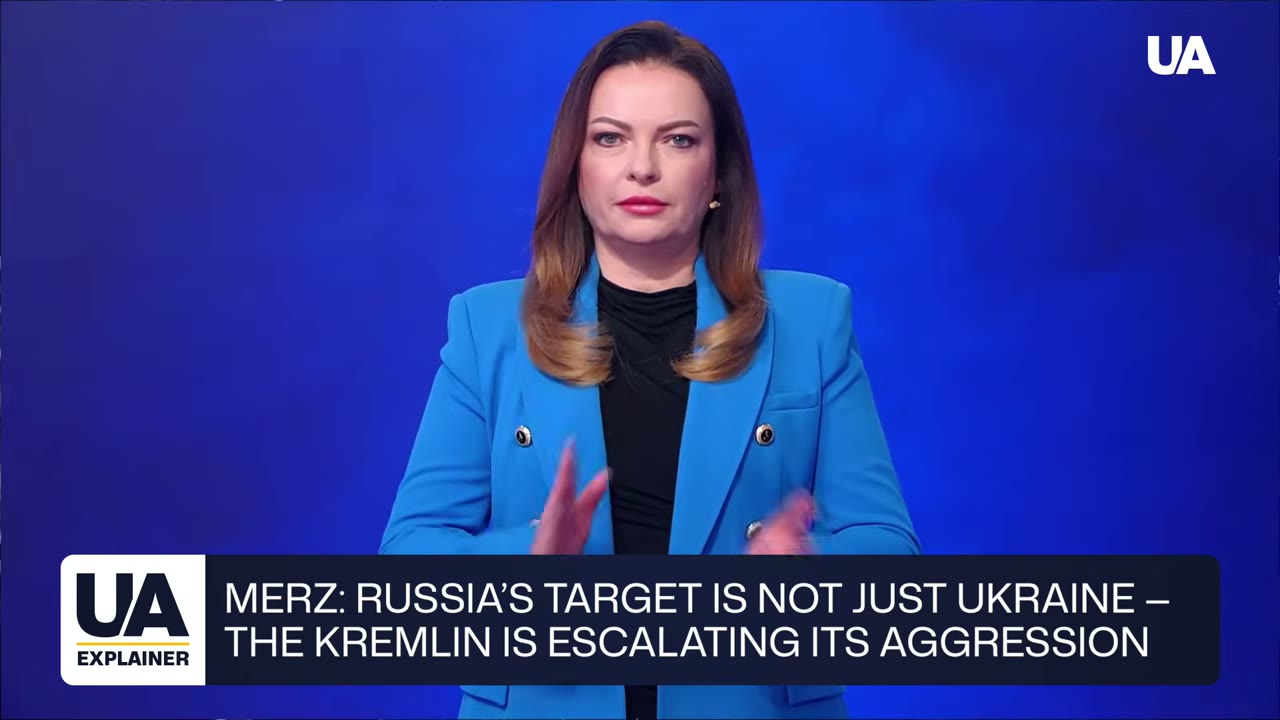
Russia is preparing to launch a nuclear-armed satellite and has violated Polish airspace with missiles and drones, according to NATO intelligence. European leaders warn Moscow is testing the Alliance's limits and urge unity and continued support for Ukraine.
1Russia Plans to Launch Nuclear-Armed Satellite Sputnik C Into Orbit
Russia may launch a satellite carrying a nuclear warhead into orbit within weeks, according to intelligence services from several NATO countries. The device, called "Sputnik C," is already fully built and has been stored near Moscow for some time.
An explosion of such a warhead would cause a powerful electromagnetic pulse, disabling up to a third of satellites in low orbit in the first few days. That would paralyze global communications, navigation, intelligence and the banking system.
Direct losses could exceed $500 billion, with the cumulative economic impact topping $3 trillion, according to the assessment.
The intelligence findings say Russia intended to place nuclear anti-satellite weapons in space to pressure the West and force Ukraine's partners to make concessions in negotiations. Such a weapon would strike not only Western satellites but satellites of all countries.
Moscow has also been accused of cyberattacks, sabotage, false flag operations, and sending cruise missiles and drones into NATO airspace.
2Russian Missiles and Drone Violate Polish Airspace
Three Russian missiles flew into Polish territory during an attack on Ukraine on the night of November 20. Four nights later, on November 24, a strike drone violated Poland's airspace.
Poland's Ministry of Defense is convinced none of it was an accident.
NATO countries deployed a reconnaissance aircraft to the region and said they would act in a consolidated way to protect the Alliance's eastern flank. European leaders said violating the border of one NATO state challenges the entire collective security system.
The incursions forced the Alliance to deploy additional forces to protect its borders and test allies' readiness for a collective response.
3Friedrich Merz Says Russia Wants More Than Ukraine
Russia wants more than just Ukraine, German leader Friedrich Merz told the Bundestag. "Russia wants more than just Ukraine," he said, warning that anyone who doesn't understand this either doesn't realize what kind of world we live in or pursues completely different goals.
Merz said Russia is escalating in the Baltic region, in Poland, in the Black Sea region and in outer space. He also said Moscow is carrying out a large-scale escalation inside Germany, even at the cost of human lives.
His conclusion: Europeans must show Russia its limits "in all senses of the word." He stressed that if necessary, the response will be collective.
4Russia Threatens Estonia With Open War Over Border Closure
Russia's Foreign Ministry threatened Estonia with open war after Tallinn decided to close border crossings with Russia from December 1.
Estonia took the step after an act of sabotage at a defense plant. Moscow also claimed Estonia provided airspace for Ukrainian drone strikes in northwestern Russia.
Estonian authorities categorically rejected the accusations, calling them a typical example of Russian propaganda in which the aggressor shifts his own guilt onto others.
Estonian officials said Russia is the only country in Europe behaving aggressively — it launched a full-scale war against Ukraine and carries out large-scale attacks on Europe itself. They also pointed to numerous acts of sabotage in Europe organized by Russian intelligence services.
5UK Warns Russian Sabotage May Target Defense Supply Companies
Russian subversive operations may be directed at companies and organizations helping Ukraine by supplying components for weapons, equipment or logistics, the UK government warned.
The Ministry of Defense recommended that management at such enterprises immediately strengthen security at their facilities and for their personnel.
Organizations are advised to train employees to recognize hostile intelligence, ensure personal safety and report concerns. They should also minimize the public information they release and focus on online safety.
"We urge you to act immediately to reduce the opportunities for hostile actors to target your organization or employees," the ministry said in its appeal.
6Latvia's President Names Human Casualties as NATO Red Line
A real red line for NATO could be an incident provoked by Russia with human casualties, Latvian President Edgars Rinkēvičs said.
He admitted Europe is in a difficult situation because of the growing number of sabotage and cyberattacks. During this period, he said, Moscow is acting prudently and balancing on the brink of open war.
"Judging by what we are observing now, Russia is being extremely cautious, trying not to cross a certain line," he said.
But he noted another trend: a rise in sabotage and arson attacks at defense industry enterprises, especially those developing new technologies. The willingness to take risks, he said, is increasing. Such threats, he added, are countered by expanding cooperation, intelligence sharing and mutual support.
7NATO Chief Mark Rutte Warns Europe Is a Potential Target
Everyone in Europe is a potential target, NATO Secretary General Mark Rutte told the NATO Parliamentary Assembly in Berlin.
He said the energy and communication arteries of allied countries are so closely intertwined that a strike on one point inevitably affects all. That covers pipelines, cables, power grids and economies.
"We are all potential targets," Rutte said, describing a long-term challenge because the Russian war machine will not stop in an instant. NATO continues to invest billions in strengthening resilience.
According to the assessment, Moscow is expanding the geography and tools of pressure on Europe while trying not to cross the line of direct military confrontation with NATO. Its calculation is to force allies to spend more on their own security, sow fear and weaken support for Ukraine.