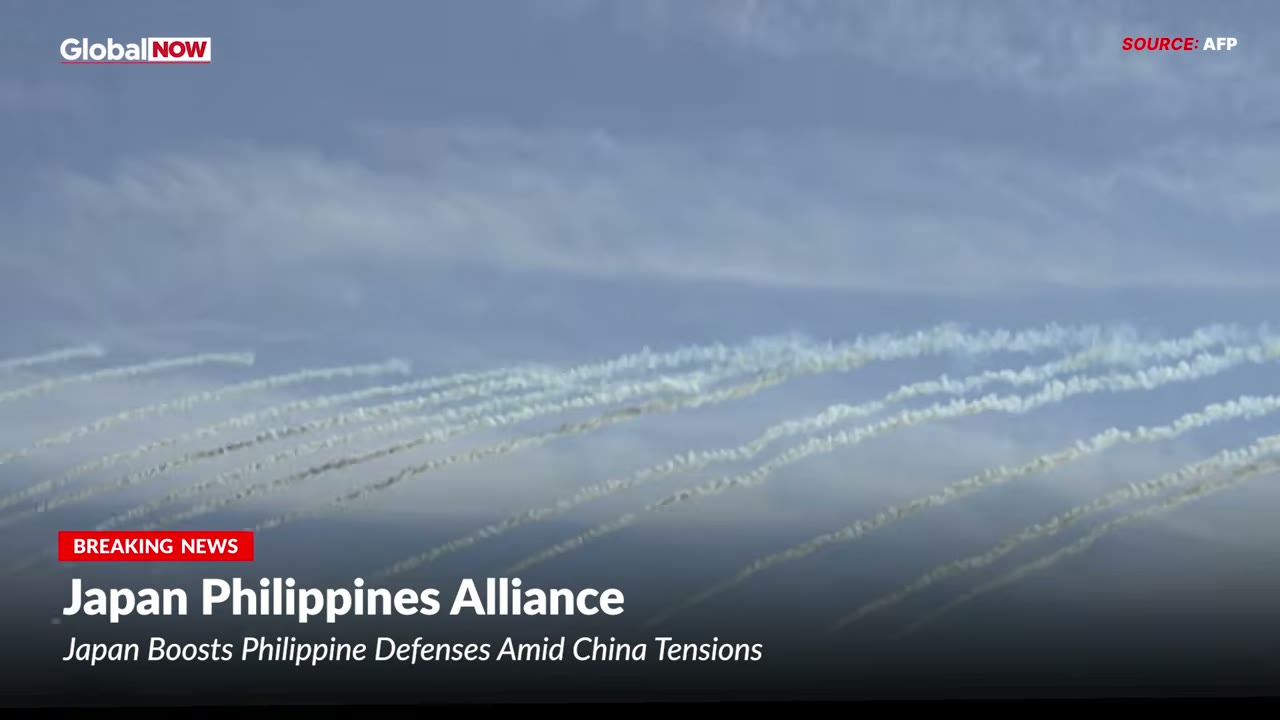
Japan is expanding military cooperation with the Philippines, discussing transfers of coastal defense missiles and five Abukuma-class destroyers. The partnership, elevated to a comprehensive strategic partnership, aims to strengthen Manila's maritime deterrence amid South China Sea tensions and Chinese protests.
1Japan expands military cooperation with Philippines, shifting regional balance
Japan is moving advanced coastal defense systems, extra ships and surveillance technology toward the Philippines, potentially reshaping the South China Sea balance. Tokyo is expanding military cooperation with Manila, paving the way for closer coordination of operations alongside the hardware.
For decades the two countries focused on trade, infrastructure, investment and financial aid. Growing regional security concerns pushed both to redirect that partnership.
Under Japanese Prime Minister Sanae Takaichi and Philippine President Ferdinand Marcos Jr., Tokyo and Manila are building closer security ties amid China's growing maritime presence and a long-running standoff in disputed waters.
2Japan discusses transfer of Type 88 coastal defense missiles to Philippines
Japan is willing to discuss handing the Philippines surface-to-ship guided missiles — including its Type 88 coastal defense system, which could help Manila defend a large maritime territory. No purchase has been confirmed.
On May 31, 2026, Japanese Defense Minister Shinjiro Koizumi and Philippine Defense Secretary Gilberto Teodoro Jr. agreed to keep negotiating a possible transfer of Japanese coastal defense systems.
As of November 27, 2026, no procurement contract specifically for the Type 88 has been publicly confirmed. The talks mark a step forward, but the transfer is not a concluded military deal.
3Philippines pursues broader military modernization to defend vast coastline
The Philippines has more than 7,000 islands and a vast coastline, and watching all of that water is an extremely difficult task. Naval vessels alone cannot keep a constant presence over such a large area.
So Manila is pursuing a broader modernization strategy: coastal defense, maritime surveillance, ship acquisition and improved military communications.
4Japan demonstrates Type 88 missile in Balikatan exercises, sinking decommissioned ship
Japanese guided missiles hit and sank a decommissioned Philippine Navy ship during a historic demonstration in the northern Philippines. The target was the BRP Quezon, designated as a training ship for the drill.
The Japan Self-Defense Forces showcased the Type 88 surface-to-ship guided missile system on May 6, 2026, during the annual Balikatan exercises in Ilocos Norte. Japanese Defense Minister Shinjiro Koizumi and Philippine Defense Secretary Gilberto Teodoro Jr. watched in person.
Japan faces similar geographic challenges, especially around its southwestern islands and sea lanes near Taiwan. Both countries depend on shipping lanes for trade, energy and economic stability.
5Philippines sees Type 88 as complement to existing BrahMos coastal defense system
The Philippines already bought India's BrahMos coastal defense system — and Japan's Type 88, if transferred, would add another layer rather than replace it.
The sinking of the BRP Quezon was a major milestone in Japan's overseas military activities and showed increased coordination among Japanese, Filipino, American and other participating forces. For Manila, it was a chance to get familiar with Japanese coastal defense technology that could support its modernization program.
The Type 88 is not Japan's newest coastal defense system, but its possible acquisition could complement equipment already in Philippine service.
6Japan relaxes defense export rules, enabling wider military equipment transfers
Japan relaxed its long-standing restrictions on transferring military equipment in April 2026, opening the door to a wider range of defense exports — subject to government approval and security guarantees.
For the Philippines, the change creates access to Japanese military technology that the Department of National Defense previously found difficult to obtain. Japan has already provided surveillance equipment, aviation training programs and maritime security assistance.
Buying hardware is only part of building a defense capability. Personnel training, maintenance, spare parts, communications integration and long-term funding matter equally.
7Philippines expects five Abukuma-class destroyers from Japan within years
The Philippines expects to receive five Abukuma-class escort destroyers from Japan's Maritime Self-Defense Force, with deliveries potentially within two to three years.
In July 2026, Defense Secretary Gilberto Teodoro Jr. said administrative details were being finalized but the deal had been effectively agreed. Japanese officials are still working out administrative, technical and operational requirements.
On October 28, 2026, Teodoro and Japanese Defense Minister Shinjiro Koizumi confirmed progress on transferring the first ship after its decommissioning from Japanese service. The governments also agreed to cooperate on training, maintenance, logistics and long-term operational support. The ships have served Japan for decades.
8Japan-Philippines access and logistics agreements enter into force
Two Japan-Philippines pacts now make joint military activity more practical — but neither obliges either country to defend the other automatically.
The Reciprocal Access Agreement entered into force on September 11, 2025, setting a legal framework for authorized military activities by visiting forces from each country.
The Acquisition and Mutual Servicing Agreement took effect on August 22, 2026, easing the exchange of supplies and logistical services during coordinated joint activities.
9Marcos and Takaichi elevate bilateral relations to comprehensive strategic partnership
President Ferdinand Marcos Jr. and Prime Minister Sanae Takaichi elevated Japan-Philippines relations to a comprehensive strategic partnership on May 28, 2026.
The two leaders met again on November 16 during ASEAN events in the Philippines, reaffirming their commitment to economic development, regional security and strategic resilience.
The upgrade came as the two countries' new access and logistics agreements improved coordination between their forces without creating automatic mutual defense obligations.
10Japan announces 4.3 billion yen security aid package for Philippines
Japan announced a security assistance package worth 4.3 billion yen — about 1.72 billion Philippine pesos — including shore-based radar for the Philippine Navy and drones for the Philippine Air Force.
The deal, signed on November 9, is expected to improve Manila's ability to monitor surrounding waters, detect unusual marine activity and watch events near sensitive areas.
11China protests Japan's military expansion in Philippines, accuses Tokyo of remilitarization
China accused Japan of accelerating its remilitarization after Japanese coastal defenses fired in the Balikatan exercises, protesting Tokyo's expanding military presence in the Philippines.
Chinese Foreign Ministry spokesman Lin Jian said: "This is another example of the Japanese right-wing forces' desire for the accelerated remilitarization of Japan."
Beijing has repeatedly raised concerns about Japan's rising defense spending, overseas military activities, expanding partnerships and revised export rules. Tokyo insists its defense modernization aims to deter aggression, protect freedom of navigation and maintain regional stability. The aid lands as the Philippines keeps facing maritime confrontations with Chinese government vessels in the West Philippine Sea.
12Scarborough Reef remains flashpoint in South China Sea dispute
Scarborough Reef sits about 120 nautical miles west of Luzon — claimed by both China and the Philippines, and one of the most sensitive sites in the South China Sea dispute.
Chinese vessels have maintained a significant presence there since the 2012 naval standoff. In July 2016, an international arbitration court rejected the legal basis for China's sweeping claims to historical rights to resources in much of the sea.
The ruling did not decide sovereignty over Scarborough Reef, but it recognized traditional fishing rights and found certain Chinese actions violated international legal obligations. Manila argues recurring confrontations make stronger territorial defenses necessary.
13China conducts joint naval and air exercises near Scarborough Shoal
China's Southern Command ran joint naval and air exercises near Scarborough Shoal on August 1, 2026. Beijing calls such operations necessary measures to defend its territorial claims. Manila sees the drills as another reason to speed up its defense modernization. The exercises come as Beijing continues to reject an international legal decision on the waters. The Southern Command carried out the drills, and the dispute over the shoal remains unresolved.
14Trump reaffirms US military partnership with Philippines, plans expanded defense cooperation
President Donald Trump reaffirmed Washington's long-standing military partnership with the Philippines and announced plans to expand defense cooperation during a meeting with President Ferdinand Marcos Jr. in Manila on November 18. The 1951 Mutual Defense Treaty remains the foundation of the relationship, with commitments to counter armed aggression against Philippine military forces, aircraft, and government vessels, including coast guard vessels, in the South China Sea. Many maritime confrontations occur below the threshold of conventional military conflict, creating uncertainty about how individual incidents might escalate. Japan's growing involvement gives Manila another important security partner alongside the United States.