Oleksandr Nagovitsyn, a shipboard medic captured in Mariupol, spent 326 days in Russian captivity and now runs a rehabilitation clinic for soldiers. His mother describes his nightmares, panic attacks and the bureaucratic battles he faces at home.
1Released Mariupol medic Oleksandr Nagovitsyn returns in April 2023 prisoner exchange
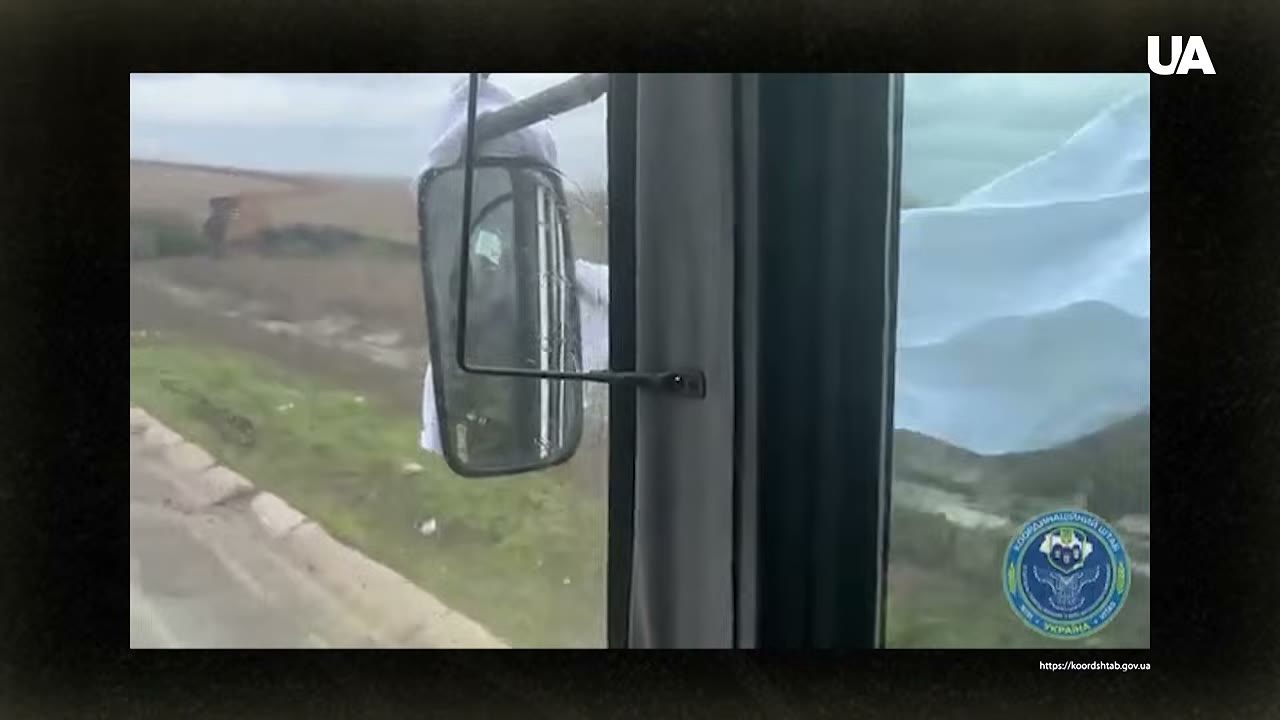
A ship's medic who amputated limbs with an ordinary knife in Mariupol walked free in a prisoner exchange on April 10, 2023. Oleksandr Nagovitsyn was among 100 people released that day, footage filmed by the coordination headquarters shows.
At the start of the full-scale war in Mariupol, he performed limb amputations with a knife — no anesthesia, no operating table.
Crowds greeted him with "Glory to Ukraine" and "Glory to hero." Then the cameras switched off, attention moved to other exchanges, and he was left alone with what he had been through, searching for his old self in a new society.
2Nagovitsyn now runs a military rehabilitation clinic as chief physician
The medic who once cut through bone with a knife now runs a rehabilitation clinic as chief physician — and he never charges military personnel for treatment.
Oleksandr Nagovitsyn greets patients first, shows them around, examines and diagnoses them, then draws up a rehabilitation program and brings in a specialist to continue the work. He also sets up the equipment himself.
"This clinic is like a child to me," he said. Its main focus is the rehabilitation of military personnel. He made the no-charge rule one of his first conditions when he spoke with the director.
3Clinic uses Swedish wheelchair-accessible vehicle to transport patients
Patients at a Ukrainian rehabilitation clinic are picked up from home in a van from Sweden with its own wheelchair lift and ramp.
Oleksandr Nagovitsyn begged friends for the vehicle while in Sweden on the Re Power program. Inside, a designated space holds the wheelchair securely while the lift raises the patient aboard.
The aim is a fully inclusive environment, so patients don't have to worry how they will get to the clinic. Staff come, collect them, treat them and bring them home. When he got the car, only one other company in Ukraine used the same system.
4Nagovitsyn demonstrates shoulder exercises that helped him recover
Captivity froze his joints in place, so Oleksandr Nagovitsyn set himself a goal: get his hands working well enough to drive again.
Standing in the same position all the time, his tendons and muscles got used to working at fixed angles and refused to move further, he said. He loves to drive, so he built his rehab around the wheel.
The warm-up targets the rotator cuff: 20 repetitions on each arm, one at a time. A second exercise, painful at first, turns the hand back palm up and rotates the shoulder with the back straight — loosen the joint, then stretch.
5Nagovitsyn recalls becoming a doctor and naval medic on a ship
He first held a scalpel at 17 — and slept on his own operating table aboard a ship built for 40 people that carried 84.
Oleksandr Nagovitsyn became a doctor because his mother asked him to; she had always wanted the profession herself. He wanted ships. A visit to a military hospital in ninth or 10th grade changed that, and he chose trauma and orthopedics. From day one of training he was in the operating room.
Assigned to a ship after graduation, he worked three shifts in a closed ecosystem with no contact with the outside world. His cabin had been taken over.
6War injuries end his trauma surgery career and bring light and noise phobia
Released from captivity, Oleksandr Nagovitsyn realized he would never be a trauma surgeon again — his back, legs, arms, eyesight and hearing won't let him.
During the war he developed a fear of light and noise, which he described as a serious psychological illness. Sudden changes in light intensity and loud noises trigger panic attacks. He wears sunglasses with automatic tinting that darken in bright light.
He called professors at his university, who explained what would be closest to trauma surgery within another specialty: physical and rehabilitation medicine.
7Medic describes Mariupol siege and amputating with a Glock knife
He sawed through a man's bone with a Glock knife during the defense of Mariupol — no anesthesia, no operating table.
Oleksandr Nagovitsyn served as chief of the battalion medical service with the 36th Marine Brigade in a separate assault battalion. By March 1 the encirclement was about 30 km deep; two weeks later it was 130 km. He said the missile cruiser Moskva fired more than 50 shells at their position specifically.
One man from Azov arrived with a tourniquet on his leg for five days straight. The knife had been a tool for vehicles and barbed wire. "Fortunately, the guy couldn't feel his leg when I was sawing through that bone for him," he said.
8Nagovitsyn details beatings, stun guns and cigarette burns in captivity
Guards broke his arm because his burned hands looked like he was giving them the finger.
Oleksandr Nagovitsyn was taken into captivity one by one. On the way, they took the watch off his wrist and whatever personal money he had. His hands had been burned, so he held them in a way the guards read as an insult.
A prison colony designed for 200 people held almost 500 in each barrack. He described guards rushing the last prisoner along while holding the first back, so anyone who touched a guard was beaten more. Stun guns on a wet body, he said, you never forget.
9Guards' mock execution game in an autoclave and 326 days held
A guard called Raven shoved prisoners into an autoclave and told them it was their train home.
They would pretend to switch the machine on, then open it and say, "that's it. You've arrived home." More beatings followed, then back to the cell.
Oleksandr Nagovitsyn was held 326 days — less than a year. About a week or two before his release, the beatings stopped. Interrogations stopped. The stun gun stopped. They stopped putting out cigarette butts on his arm. Called out alone, he was lined against a wall, pulled into the hallway, stripped and inspected — and not beaten.
10Beatings stop before exchange and a Ukrainian greets him home
Stripped, inspected and not beaten, Oleksandr Nagovitsyn began to wonder if he was being exchanged.
One of the prisoners said it could be a prisoner exchange or a transfer to another prison. They drove for a while; he couldn't say how long.
Then a Ukrainian walked in. "Guys, welcome. You're home." The man told them to stay quiet, not shout — administrative processing was still underway — and to do as they were told and not provoke anyone. Relief hit. He collapsed, stretched out like a star and just breathed.
11At home, his mother Fedora describes his nightmares and guilt
His mother hears him scream at night — dreaming of the Mariupol children he could not save.
Fedora Ignatyevna said her son blames himself for not helping this one, not reaching that one in time. "I say, well, you're not God. You can't help everyone," she said. On rough nights he moves to a corner sofa in the kitchen so his daughter and mother can sleep.
He said thoughts of his mother kept him from giving up in captivity and helped him keep fighting with dignity. His sleep trouble has lasted a month.
12Nagovitsyn marks April 10, his release day, as his new birthday
Oleksandr Nagovitsyn no longer celebrates his real birthday. His birthday is April 10 now — the day he was released from captivity.
His mother, Fedora Ignatyevna, said the anniversaries pile up: the start of the war, the day he was taken prisoner, and March 18, his actual birthday, which the family doesn't mark.
The weight of those dates put him in such a serious condition that he had to be admitted to hospital. He was treated for three weeks. Things are better now, she said — not completely, but almost perfect. He is smiling and eating again.
13Blood-stained hat from Mariupol becomes a family heirloom
A black-green hat stained with blood came home from Mariupol — and his mother washed it again and again until he claimed it back.
Fedora Ignatyevna bought the hat when he was in 10th grade, working with her husband at the Seventh Kilometer Market. She didn't know he had taken it to Mariupol. When he returned from captivity, she thought she would throw it away. "Absolutely not," he said, and washed it himself.
He didn't know he was being taken for exchange until he was given that hat, he said. Now he plans to pass it down as a family heirloom.
14Mother recalls cigarette burn scars and his fear of asking permission
His mother took both his hands and wanted to kiss them — then saw they were covered in bruises. She first thought they were from injections. "He said, they put cigarette butts out on me," she recalled. He kept hiding his hands when she asked.
Back home, the habits of captivity stayed. He asked permission to sit down. He asked for one more cookie. He even asked whether he could hang his coat on the rack. "That's one of the habits he came back with," his mother said.
15Pancake habit reveals lingering captivity fear of going hungry
He folded a pancake into a triangle, set it on the table edge, then glanced at his mother and waited until she turned away — before slipping it into his pocket. She had been watching him out of the corner of her eye as she cooked.
Instead of scolding him, she offered a bag. "Sasha, let mom give you a little bag for that," she said. He replied, "Oh, what am I doing?" and put the pancake back on his plate. His mother said he really loves her pancakes.
16Medic says army stripped his rank and denied him medals
He wanted to return to duty. Instead, he said, the army declared him unfit for ship duty — then stripped his military rank and cut his financial allowance within his first three or four months back. Court cases are still ongoing.
No medals came either, he said, not even one for saving a life. He asked his commander about a nomination. "You weren't nominated," he was told. He said he replied: "What for? Have I really become that useless to them?"
17Bureaucratic hurdles replacing documents in Odesa without combatant status
Replacing a passport, driver's license, identification number and officer's ID in Odesa meant lines, fees and pleading — despite being told it would all be free and queue-free. "It's all a lie," he said. His back and nerves gave out, and he paid for everything himself.
Staff told him he lacked combatant status and the right documents. His mother said he was embarrassed to show the paper given to released captives, fearing people would judge him. She told him: "You're heroes here."
18Bus confrontation with pro-Russian passenger ends in violence
A man kept stepping on his foot on a crowded summer bus, then began stepping on a small woman's feet and raising his voice at her. He stood up for her. The man said he supported Russia, and the clash escalated.
It ended with the man hanging halfway out a broken window. The woman with him repeated pro-Soviet narratives, and he grabbed her by the throat. "I just want to thank that girl I stood up for and another soldier that I didn't kill that woman right then and there," he said.
19Mother explains how to handle his sudden anger and aggression
His personality has changed, his mother said. He has become very hot-tempered, and talking to him takes care. Her rule: don't yell, no matter what happened.
If he walks across the carpet in dirty shoes, she said, tell him it's okay and it will be cleaned. Never criticize him in the moment. Wait until time has passed, then bring it up. And when he is especially irritated, she said, you definitely should not criticize him then.
20Nagovitsyn ended relationship after girlfriend grew afraid of him
His girlfriend had waited for him through captivity and invited him to move into her Odesa apartment. During an ordinary household problem, something in him snapped. He hit an appliance and broke it. She was really scared.
When he calmed down, she was crying. "The person I love and care about started being afraid of me," he said. "That's not for me." A couple of days later they talked, and he ended it: "I don't want you to be afraid of me."
21Mother describes daily reintegration through small household tasks
Washing dishes and peeling onions are part of his rehabilitation. His mother asks him to do simple everyday things while she cooks — deliberately, to reintegrate him into civilian life.
She said the family never told him to sit and rest or did everything for him. Veterans need unconditional love, almost like children, she said, but must still be treated as adults. "This kind of rehabilitation has to continue constantly every single day," she said. Without it over his three years home, she doesn't know what would have happened.
22Nagovitsyn says he now suspects everyone and wishes he were never born
He says captivity left him far too aggressive and suspicious. He suspects everyone of being his enemy, and trust, in his words, must be earned with blood. He is trying to fight that part of himself. "I'm fighting an uneven battle," he said. "And most of the time, I'm not the one winning."
Asked what he would change, he gave a stark answer: "I wish I'd never been born." He added: "So much pain. It's unbelievable."
23He finds purpose treating wounded soldiers and waving at children
Children at a bus stop were waving at passing cars. He waved back — and they waved again. "Our greatest joy is children, smiling children, happy children," he said.
He also named the servicemen he treats as they recover from their injuries. Between them, he said, he has found his reason: "I already know why I'm still alive."