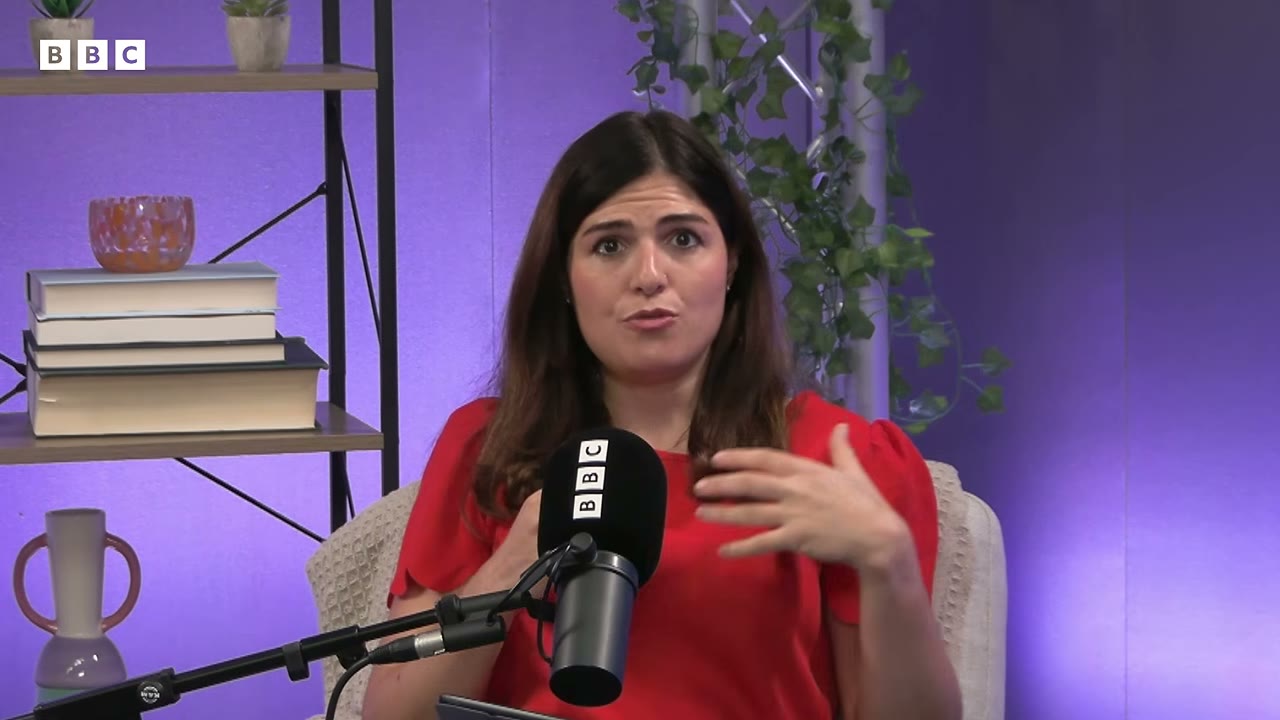
The BBC's What in the World podcast explores hangxiety — the anxiety, dread and racing thoughts that follow a night of drinking. Journalist Millie Gooch explains how alcohol disrupts brain chemicals, memory and impulse control, and why many people drink again to escape the feeling.
1Hangxiety explained: the next-day dread after drinking
That gnawing sense of dread the morning after drinking has a name: hangxiety. It is not just a hangover. You wake up replaying conversations, your thoughts race, and a knot of dread sits in your gut.
It is not just in your head. It comes down to how alcohol affects the brain and body, said Millie Gooch, who has written a book called Hangxiety.
Gooch joined the BBC World Service podcast What in the World, hosted by Hannah, to explain the science behind the feeling. She had appeared on the show before to talk about drinking.
Many people reach for their phone first, texting friends to check they got home safe, or asking for a debrief, just for reassurance that nothing went wrong.
2Author Millie Gooch says hangxiety made her quit alcohol
Hangxiety was the biggest reason Millie Gooch gave up alcohol. She describes herself as one of the classic party girl binge drinkers.
She would wake after drinking with what she called insane anxiety, worrying about what she had done and said, whether everyone was annoyed at her, whether she had embarrassed herself. At work events, the fear turned to: "Am I gonna lose my job?"
It could tip into feeling really low or worthless, or general anxiety about life that had nothing to do with the night before.
The dread did not always lift quickly. Sometimes it lasted two or three days until everything recalibrated, though sometimes it eased by the evening or the next day. How much she had drunk made a difference.
3Listeners describe their own experiences of hangxiety
Samantha gets jittery and foggy-brained the day after a night out, replaying the evening and thinking about anything shameful that happened. She texts the people she was out with to check they got home safe, wanting reassurance that nothing went wrong.
Another listener said the anxiety got worse with age. A bout of paranoia scared her so much that she decided to go sober.
Amelie wakes after a fun night out thinking, "how bad was I?" She scrolls her camera roll hoping the videos are remotely normal, then texts friends asking how bad it was. When they say she was not that bad, she assumes they are lying.
She drinks more responsibly around people she is not comfortable with; with close friends, unwritten rules apply.
4How alcohol worsens stress through GABA and glutamate
Alcohol works in the short term, then takes back what it gave. It messes with brain chemicals, and because the brain loves balance, it recalibrates the next day.
GABA is the brake pedal of the brain: it slows things down and makes you feel chilled. Alcohol stimulates its release, which is why it is called a depressant, because it depresses the central nervous system.
Glutamate is the opposite, the go, go, go chemical that keeps you alert. Alcohol suppresses it. So the brake is enhanced and the gas pedal slowed, and you feel doubly chilled.
The next day, as the brain recalibrates, glutamate spikes and GABA is suppressed, producing the opposite effect. Those are the two big chemicals involved in anxiety.
5Alcohol blackouts explained: fragmentary and en bloc memory loss
Blackouts are not forgotten memories. They were never saved. Alcohol interrupts the brain's ability to move things from short-term to long-term memory, a process that relies heavily on glutamate, which drinking suppresses.
Millie Gooch compares it to recording a night out on your phone without pressing record. Your brain sees everything but does not take it in, so you cannot recall what was not stored.
There are two types. Fragmentary blackouts are patchy: you remember the conversation but not what it was about. En bloc blackouts wipe out huge parts, like the journey home or being in a club.
Some fragmentary memories can return with a trigger. Many will not.
6Alcohol dulls the prefrontal cortex and fear response
Alcohol affects the prefrontal cortex, the rational part of the brain that says maybe you should not be doing that. Because of that, people sometimes make decisions that do not align with who they are, or do things completely out of character.
It can also make you more impulsive, more likely to say yes to things, so you may end up doing things you regret the next day.
Alcohol also affects the threat and fear response, so you may not feel as much fear. Combine that with impulsivity, and getting up on a wobbly table starts to seem like a really good idea.
It changes how we judge things as threatening, or how bad they might be for us the next day.
7The hangxiety cycle: drinking again to ease the anxiety
Hangxiety can drive people to drink again, trapping them in a loop. Millie Gooch says she was caught in it: drinking to lift her mood, feeling slightly worse the next day, then drinking again a few days later to feel better.
Hair of the dog, drinking more to ease the hangover, is an effective solution for a very short amount of time. At some point you have to stop drinking and feel those effects.
You would think the negative effects would make people drink less, but many reach for more on a hangover instead.
Gooch described the pattern as the hangxiety cycle.
8How to reduce hangxiety: drink less, slower and eat first
The biggest way to reduce hangxiety is to drink less, and more slowly. How much and how quickly you drink both matter, because blood alcohol level spikes fast and interacts with brain chemistry.
Even a couple of drinks can leave you on edge, especially if you are sensitive to alcohol.
For those who still drink, Millie Gooch suggests alternating alcoholic drinks with water or non-alcoholic beer, helped by the current no and low boom. Eat before a night out, because drinking on an empty stomach spikes blood alcohol faster. Skip shots, and avoid rounds.
Her verdict was blunt: the only way to reduce it is to drink less or stop.