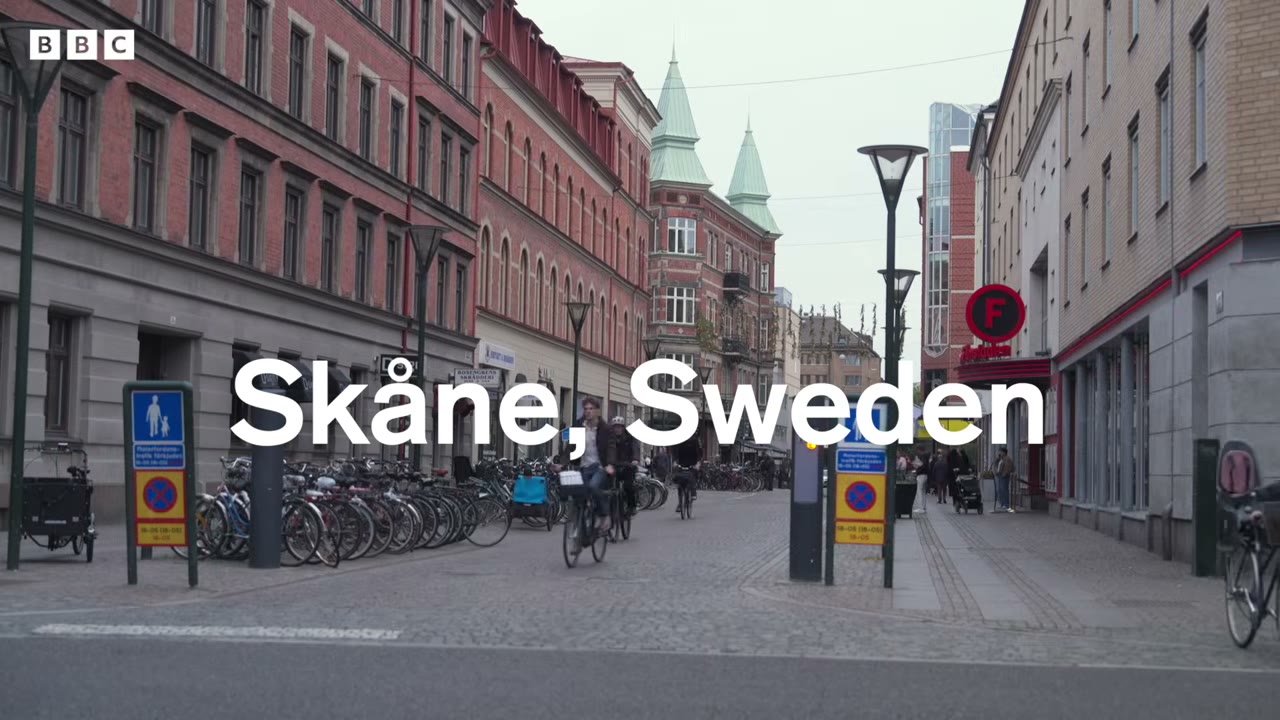
A government-funded clinic in Sweden is reassessing autism and ADHD diagnoses, believed to be the first of its kind. It has drawn hundreds of patients and divided advocates, as some seek to shed diagnoses that block careers while others fear stigma and lost support.
1Swedish Clinic Opens to Public to Reassess Autism and ADHD Diagnoses
A government-funded clinic believed to be the first of its kind in the world has opened to the public in Sweden, dedicated to reassessing autism and ADHD diagnoses. Its first day of public access came after it began as a very small research project.
Around four or five hundred people contacted the team, and staff felt there was justification for starting up a clinic. It reviews the original assessment without judging whether it was correct or wrong.
"This is not de-diagnosing, this is a renewed assessment of your functioning today," a clinic representative said. A diagnosis cannot be removed from the system; instead, another note is added.
2Sweden Debates Whether Reassessment Services Should Exist
Sweden has debated whether reassessment services like this clinic have a place at all. One clinician said the responsibility is clear, but agreement has been hard to reach.
"My opinion is that we have a responsibility, and this has been rather difficult to get a consensus on in our clinics," the clinician said.
The debate over whether to offer reassessments continues among Swedish clinics.
3Sharp Rise in Swedes Seeking ADHD and Autism Assessments
ADHD and autism are neurodevelopmental conditions that affect how people think and interact with the world, and the medical consensus is that both are lifelong. They are diagnosed through detailed assessments, not one single clinical test.
Like many other countries, Sweden has seen a sharp rise in people seeking assessments for both in recent years.
For many, getting a diagnosis is extremely positive, even life-changing. But for a few, it has led to serious problems.
4ADHD and Autism Diagnoses Bar Swedes From Police, Military and Pilot Jobs
Swedes with ADHD and autism have historically been barred from certain jobs, including military service, policing, train driving and piloting planes. The rules differ globally, but such blanket bans exist in other countries too.
In Poland, Turkey and the US, an ADHD or autism diagnosis can affect someone's chances of joining the military.
These career restrictions have fuelled interest in the reassessment clinic, which is only open to local patients.
5Johanna Feared Her ADHD Diagnosis Would Block Police Career
Johanna, 24, and Marcus, 23, took part in an early pilot version of the clinic that trialled the reassessment process. For Johanna, the diagnosis was a very good thing at first.
"I felt understood and I didn't feel as misplaced as before," she said.
In 2021, rules changed and people with ADHD could join the police if they had a medical certificate confirming they were safe to work in the role. Johanna wanted to be a police officer, but she worried about how her diagnosis could affect her future.
"I felt like my diagnosis was just annoying," she said.
6Marcus Was Pulled From Mainstream Classes After Diagnosis
Marcus's parents wanted him to get a diagnosis because at that point you couldn't get help in school without one. But he says it led to him being taken out of mainstream classes.
"So we pretty much played for an entire year. So I've never learned anything from the fourth grade," he said.
He realised he couldn't become a police officer. "It was devastating. That was always my future plans."
"The strongest feeling I got was that we were looked down upon," he said.
7Autism Advocate Navid Ghannad Calls Job Bans Discriminatory
Some neurodiversity advocates say the focus should be on changing the job rules, not the diagnoses. Navid Ghannad, chair of local charity Autism Skåne, is among those calling for change.
"Just because you have a diagnosis you are excluded from certain jobs. I believe it's discriminating," he said.
Asked whether people might seek to remove a diagnosis and lose needed support, he said: "Yes, I think that might be a risk, but I don't judge it to be especially a big risk." He added that some patients really wanted to get rid of their diagnosis, but staff felt that was not a good idea.
8Vilda Says She Was Misdiagnosed With Autism at 15
Vilda was diagnosed with autism at age 15, around the time she played a lot of piano to avoid thinking about everything else going on.
She contacted children's psychiatry at 15 because she had anorexia and had suffered a trauma. "I was shut down. My parents were desperate. They just wanted something that could help me."
She opened up about everything, expecting help with that, but instead they did an assessment for autism. She was pretty sure she was misdiagnosed.
"I was stuck, like I know that this is not me, but I can't do anything about it," she said.
9Reassessed Patients Found Not to Meet Diagnostic Criteria
Vilda, Marcus and Johanna were all found not to meet the diagnostic criteria for ADHD or autism.
But some people fear reassessing diagnoses could reinforce stigma. Members of Autism Skåne are split on the clinic.
Some believe reassessment is totally right and that it is their right to have it reassessed. Others feel autism or ADHD is part of their identity, and not something you just go to a clinic and get removed.
10Ronnie Larson Fears Clinic Could Strip People of Autism Diagnosis
Autism Skåne member Ronnie Larson has concerns about the reassessment clinic, and losing his own diagnosis scares him.
"We have to remember that this is a lifelong condition," he said. "I have it and I want to keep it. I want to breathe the last breath of my life with that."
He accepts that people who want to get rid of their diagnosis can do so. "But it scares me, that's the question, it scares me very much."
He worries they can just take it away and say, "Well, you don't have autism." Many more people feel their diagnosis is helpful, he said.
11Clinic Doctors Say Reassessed Patients Should Not Be Left Without Support
The clinic's doctors believe people seeking reassessment should not be left without support, even though they are a small minority compared with those who find their diagnosis helpful.
"At the moment those people with diagnosis, but who don't think they have those problems, they are really stuck," one said.
The doctor added: "I also have a strong belief that it's psychiatry who in the beginning diagnosed those people. I believe we have a responsibility to help these young adults."
12Marcus Says Reassessment Opened New Opportunities
Marcus is studying to become a facilities manager after having his diagnosis removed. He says the reassessment opened new opportunities, including a return to the school system. "I am not sure I would be here if I didn't get my diagnosis removed," he said. He added that coming back into the school system reminded him of how things were when he was young. The clinic's reassessments can end with a diagnosis being removed, and for Marcus that change led to a new career path.
13Clinic Says Lost Diagnosis Does Not Mean Condition Disappeared
Losing an ADHD or autism diagnosis does not mean the condition has disappeared, according to the clinic. It says a reassessment reflects what support someone needs right now, not a cure. Some adults reach a point where they are removed from their diagnosis. "It just means that right here, right now in this setting, they do have enough support," the clinic said. For many others, a diagnosis still brings essential support.