Etsy witches sell candle rituals and spells for money, love and beauty, often for under $15, and the US witchcraft industry is estimated at $2.3 billion. The video explores why demand is growing, how eBay and Etsy regulate intangible services, and how commercialisation sits with traditional brujeria.
1Etsy witch Morgan sells custom candle rituals for money, love and beauty
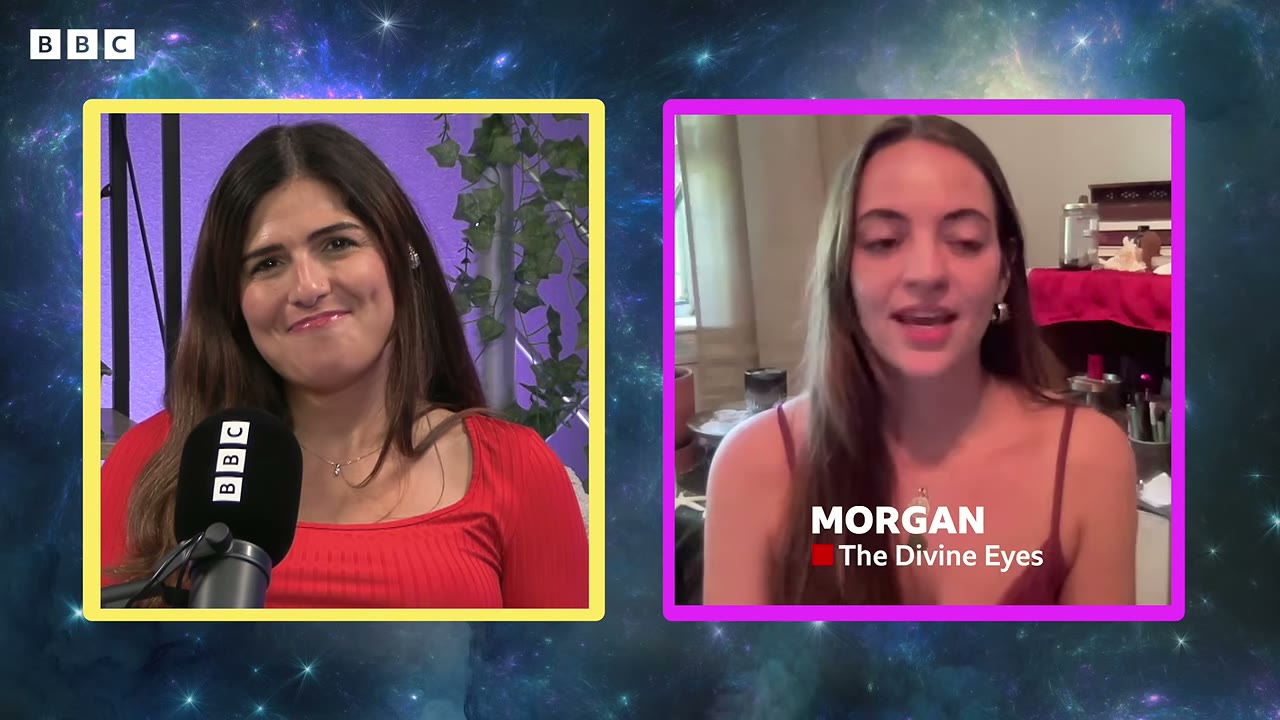
A self-described witch on Etsy sells custom candle rituals for under $15, using a buyer's name, birthday and intentions to build them. Morgan runs The Divine Eyes, a US-based Etsy shop, and said the rituals are meant to help with "mindset shifts" — calling in new things or getting rid of old ones.
Money is her top seller, followed by love and beauty. "Money is number one," she said, adding that it is a universal want.
Price depends on how long a buyer wants the ritual to last and how fast they want it delivered; most of her spells currently sit under $15. Each comes with a ritual guide including affirmations and colour suggestions to wear.
Asked about sceptics who say she sells something intangible, Morgan said belief is personal: what customers put their energy behind is true for them. She said unhappy buyers get a free cleanse and recast, and she keeps going until they get what they want.
2Buyers describe paying for spells and seeing results they credit to them
A buyer paid £6 for a success spell on Etsy — then a TV producer messaged her about two days later. She had noted she hoped for visibility on her TikTok account and a chance at an opportunity.
She made a video about the process, and soon after, a popular American clothing brand asked to collaborate on a video.
She said the Etsy witch service feels more tangible than other spiritual options, calling it "a cheat code in a way." She is a believer, she said, but not necessarily in the way people assume: the spell gave her a goal and aligned things mentally, so she subconsciously made decisions that worked toward it.
Even if a wish is not fully fulfilled, she said, buyers walk away with a little more security.
3Witchcraft industry in the US estimated at $2.3 billion by IbisWorld
The US witchcraft industry is worth an estimated $2.3 billion, according to the market research firm IbisWorld. Getting that number is hard: unlike restaurants, witchcraft workers are often informal and freelance, and many do not publicly advertise.
Witchcraft is a broad umbrella. It covers tarot card reading, clairvoyance, palmistry, aura reading, astrology and horoscope reading.
It is not a corporate practice, and more of these products and services are now advertised online.
4eBay banned spells, souls and ghosts in jars under intangible items policy
eBay's own policy bans selling spells — and, explicitly, someone's soul and a ghost in a jar. The platform's "intangible items policy" says anything a buyer can't confirm they've received is not allowed, listing spells or haunted items among its examples.
Before 2012, eBay allowed all sorts of services, including love spells and protection rituals. That year it restricted users from selling spells, curses, hexes and other metaphysical services.
The policy is meant to address potential fraud, since intangible goods are harder to verify and users might be exploited.
5Etsy allows metaphysical services if a tangible product is attached
Etsy bans spells, but sellers can offer metaphysical services if a tangible product is attached. After eBay restricted such listings in 2012, many sellers moved to Etsy; Etsy tightened its own rules in 2015, with more nuance.
One listing offers to "manifest for you. Love, money, career luck, any wish, same day" — and 143 people bought it in the last 24 hours. The seller advertises clearly that buyers will receive a personal written reading.
That tangible add-on is the big difference.
6Economic uncertainty and the pandemic drove growth in witchcraft services
US witchcraft services grew 5.5% between 2020 and 2025, according to the IbisWorld market research study. The growth came as the pandemic brought a massive US downturn and high unemployment.
During times of economic uncertainty, people often turn to the spiritual for guidance, and the timing was not a coincidence.
The internet and social media made it possible. In the old days, finding a witch offering these services was hard; now people Google them. WitchTok is big.
7Witchcraft remains taboo or illegal in Saudi Arabia and parts of Africa
Saudi Arabia has a dedicated anti-witchcraft unit targeting witchcraft and sorcery, and witchcraft is illegal there. In sub-Saharan Africa, people who cast spells or are thought to cast them frequently come under harassment.
Europe has a similar history: the peak of its witchcraft trials came between the 16th and 17th centuries.
These days witchcraft has been normalised in some ways — everyday magic, manifesting, positive thinking. People don't label it witchcraft, but the intention is the same: using mind and energy to heal and grow.
8Content creator Stephanie Martinez explains brujeria and its colonial history
The term "bruja" was imposed by Spanish colonisers, according to content creator Stephanie Martinez, who posts about brujas and brujeria — witches and witchcraft in Latin America.
When the Spanish invaded Latin America they brought Roman Catholicism and saw indigenous rituals and ceremonies through their own religious lens, she said. That is where much of the demonisation came from, and many still see being a bruja as a bad thing.
On commercialised witchcraft on sites like Etsy, she said she is not there to shame anyone's practice but urged people to return to their intention.
9Martinez warns against outsiders claiming shaman status after ceremonies
Visitors travel to Central and South America, sit in plant medicine ceremonies, then return to the West and suddenly call themselves a shaman. "That's just not how it works," said content creator Stephanie Martinez.
She raised the practice while discussing respect for indigenous traditions and warned against outsiders taking credit or ownership for them.
10William says he would not buy a spell, citing karma and cost
A BBC producer says he would never buy a spell online — partly because he is too tight to pay for one. William told the What in the World podcast he believes in mindfulness and positive thinking, but sees no reason to pay someone for it. "I can do that on my own," he said.
He also fears the fallout of a bad spell, the kind wishing harm on someone. "If you have a poison pen, the toxins end up on you," he said, adding he does not need that negative karma.
As spells become more normalised and commercialised, William said the big platforms will have to catch up with the times — a nod to eBay's past listings of ghosts in jars.