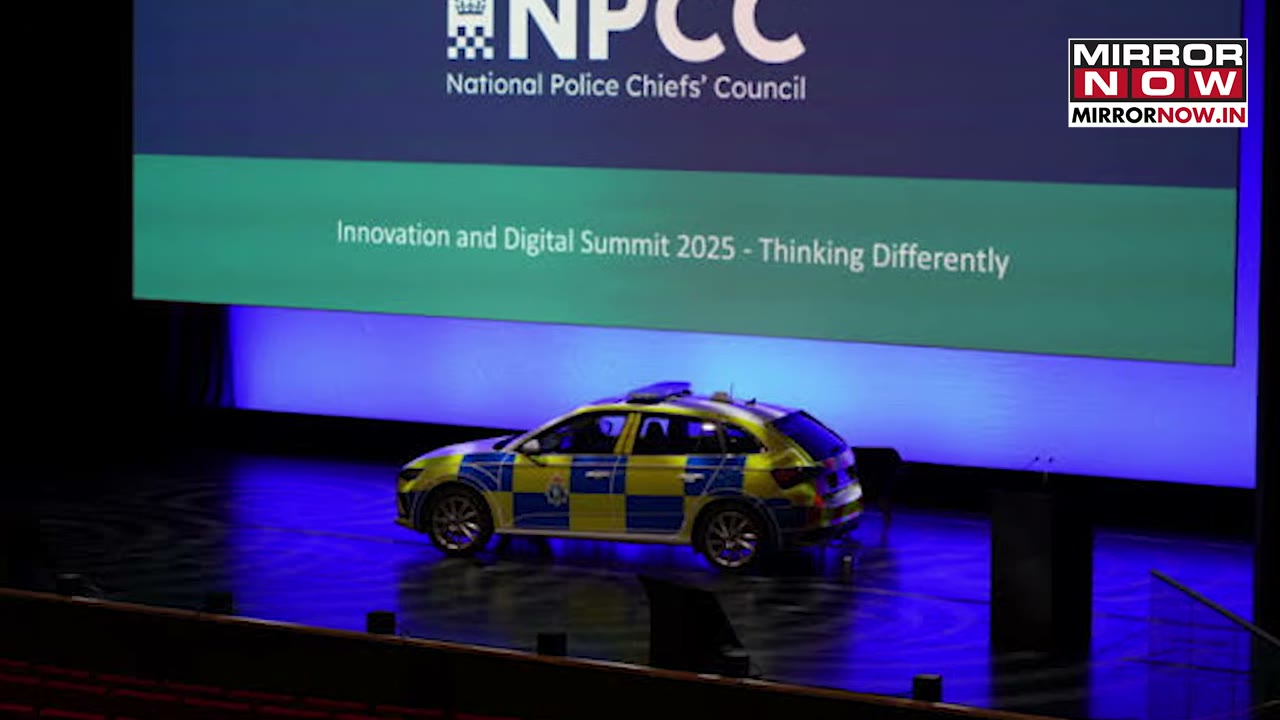
The National Police Chiefs Council released a faith-based toolkit advising officers on interacting with Muslim communities, including dress, prayer and autopsy guidance. Reform UK's Nigel Farage and Shadow Home Secretary Chris Philp condemned it as a 'two-tier' approach, while the NPCC says it supports policing in diverse communities without overriding the law.
1NPCC releases faith-based toolkit with guidance for Muslim community engagement
Police have issued national guidance on how officers should engage with Muslim communities, and senior opposition figures are calling it a scandal. The National Police Chiefs Council released a nationwide faith-based toolkit to help officers interact with people of different faith backgrounds.
Its detailed recommendations for engagement with Muslim communities drew particular criticism from politicians. High-ranking opposition figures accused the authorities of creating different standards for different religious communities.
The document is national in scope and covers multiple faiths, but the Muslim-community sections have become the flashpoint. Criticism has come from politicians rather than from the police bodies that helped produce it.
2Toolkit advises modest dress, removing shoes and avoiding service dogs in mosques
Officers visiting mosques are advised to remove or cover their shoes, dress modestly and keep noise down, according to the toolkit. The guidance sets out how police should behave when entering mosques or visiting Muslim homes.
It says officers should not interrupt people during prayer and should be mindful of gender-segregated areas. Where appropriate, they are advised to avoid bringing service dogs into religious spaces.
The document also addresses interactions between male and female officers and representatives of Muslim communities. It tells police to consider cultural differences around physical contact and communication, suggesting an officer of the same gender may be more appropriate in certain circumstances.
3Nigel Farage calls toolkit outrageous and evidence of 'two-tiered' policing
Nigel Farage has called the police guidance outrageous and demanded it be withdrawn. The Reform UK leader told the Telegraph the instructions are evidence of what he calls a "two-tiered approach" in policing.
He said police should not compromise on practices he considered outdated or discriminatory. The call for withdrawal raises pressure on the NPCC, which has defended the toolkit as practical support for officers.
Farage's intervention pushes the dispute into party politics, with the guidance now a target for opposition criticism rather than a quiet internal police document.
4Chris Philp says guidelines risk undermining public trust in police
Shadow Home Secretary Chris Philp says the toolkit risks undermining public trust in the police. He argues officers should treat everyone equally, regardless of religion or skin color.
Philp added that guidelines appearing to set different standards erode confidence in policing. His criticism follows Nigel Farage's call for the guidance to be withdrawn.
Two senior opposition voices are now attacking the same document, turning a police engagement toolkit into a public argument over equal treatment. The NPCC has defended the guidance, saying cultural considerations do not override the law.
5Toolkit developed with Muslim, Sikh, Christian and other police associations
Eight organizations representing faith communities and police officers helped develop the controversial document. They include the National Muslim Police Association, the National Sikh Police Association, the Christian Police Association and the British Police Chaplaincy.
The National Black Police Association, the National LGBT Police Network and the British Association of Women in the Police also took part, according to reports.
The list shows the toolkit was built with input from networks inside and around policing, not drafted in isolation. An NPCC spokesman has defended the guidelines.
6NPCC defends toolkit as practical support that does not override the law
An NPCC spokesman says officers need practical support because modern policing works in increasingly diverse communities. The guidance is meant to help them understand different religious and cultural practices.
The spokesman stressed that religious and cultural considerations do not override the law or an officer's operational duties. The council also said building trust with diverse communities encourages people to report crimes, cooperate with investigations and seek help from police.
That is the core of the defense: cultural awareness as a policing tool, with the law still taking precedence.
7Debate centres on where cultural concessions end and equal treatment begins
The fight over the toolkit has opened a broader question: how can police respect religious and cultural traditions while keeping law enforcement consistent? Critics argue faith-specific guidelines create a risk of unequal treatment.
The NPCC says understanding cultural differences is essential for effective policing. Both sides agree on the goal of good policing; they split on whether written guidance for specific faiths helps or harms it.
With opposition figures demanding withdrawal and police chiefs defending the document, the dispute now turns on where cultural accommodation ends and equal treatment begins.