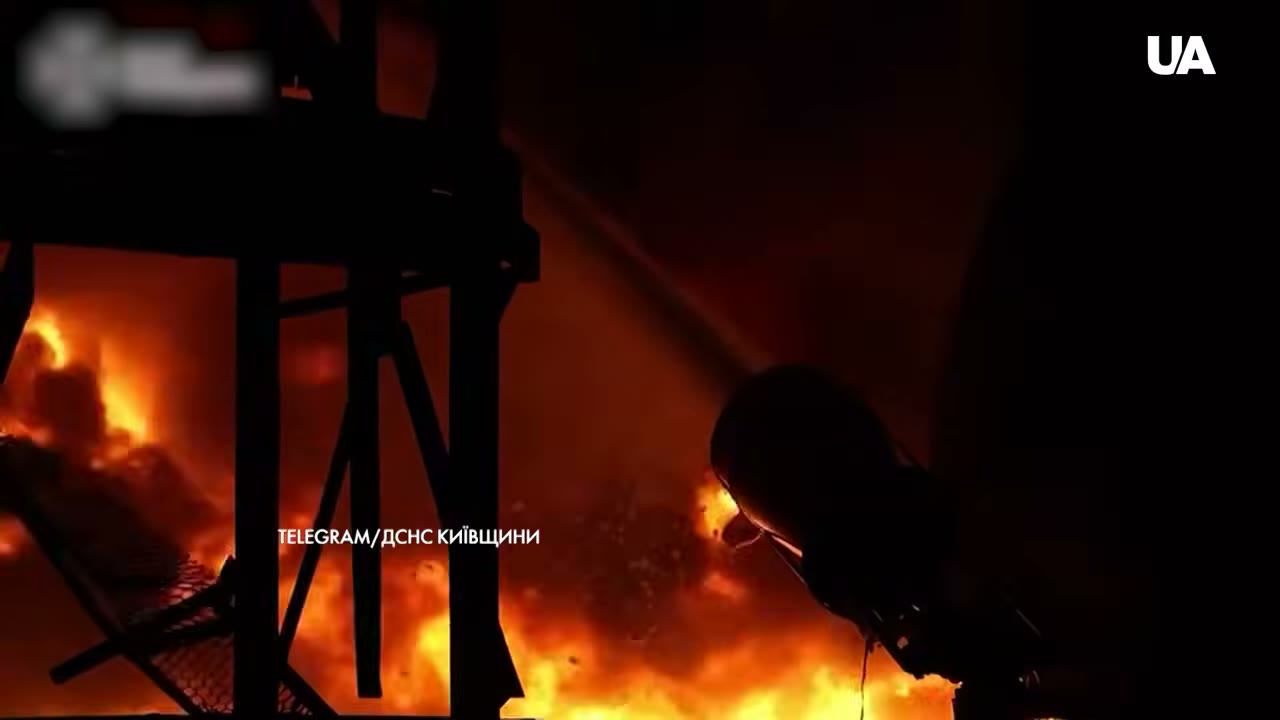
Russia launched a massive ballistic missile strike on Ukraine, hitting energy infrastructure and killing at least one person in Pavlohrad. Ukraine's intelligence identified Russian officers behind a deadly attack in Zaporizhzhia. Meanwhile, Trump said Moscow and Kyiv are seeking a deal, with trilateral talks set for Abu Dhabi.
1Russia Fires 36 Ballistic Missiles at Ukraine, Striking Energy Infrastructure
Russia fired 36 ballistic missiles at Ukraine, six of them launched from one of Kyiv's bridges over the Dnieper. Four missiles got through, hitting substations that connect the capital to nuclear power plants and other infrastructure, Ukraine's president said.
He said only four of the missiles were intercepted, blaming a serious shortage of interceptors. Washington, he said, is the country best placed to close that gap.
Preliminary data points to KN-23 missiles used against key energy sites — weapons produced and supplied to Moscow by North Korea. The president called it fresh proof that global sanctions should be tightened on everyone helping the Kremlin.
The head of the Recovery Agency, Yevhen Fedorenko, reported from Dnipropetrovsk region on damage and repair times in Dnipro, Kryvyi Rih and other towns. Work continues in communities in Kyiv and Zhytomyr regions that carry electricity from generators to cities.
Ukraine now generates more power than it consumes, but attacks on distribution stations and networks have left a significant deficit in Kyiv and the northern, eastern and central regions.
2Russian Strikes Kill One in Pavlohrad, Injure Six in Kyiv
One person was killed and four injured in Pavlohrad as Russian drone strikes damaged a five-story building. In Kyiv, six people were injured by ballistic missile strikes.
In Vinnytsia region, attacks hit civilian energy infrastructure, damaging a fire station building and the city market area. Targets again included residential buildings and a kindergarten.
Repair crews are being increased. The kindergarten plans to resume operations Monday, but not in its own building — a nearby educational institution agreed to take it in after what staff described as serious damage.
3Ukraine Identifies Russian Officers Behind Deadly Komyshuvakha Strike
Ukraine's Main Intelligence Directorate has named the Russian colonel it says planned the airstrike on Komyshuvakha that killed 55 people. He is Fedor Zubkov, chief of the fire control group at the headquarters of the Dnipro group of Russia's occupation army.
Six pilots who dropped the aerial bombs have also been identified, and the rest of the crew is still being determined.
Russian troops attacked Komyshuvakha in Zaporizhzhia region with aerial bombs on November 2. The State Emergency Service puts the death toll at 55 so far.
4Estonian Foreign Minister Condemns Russian Ballistic Attack on Kyiv
Estonia's foreign minister says the Kremlin answers peaceful efforts with terror because it is confident it will not be punished. Margus Tsahkna made the comment after Russia's overnight ballistic missile attack on Kyiv and the surrounding region.
He said only strong pressure will force Russia to stop.
5Trump Says Russia and Ukraine Want Deal, Talks Set for Abu Dhabi
Donald Trump says Russia and Ukraine want a deal for the first time, and talks between Kyiv, Washington and Moscow are set for Abu Dhabi on November 10 and 11.
The US president said he held phone calls about ending the war and more were planned the next day. He did not say who he spoke with.
"Russia and Ukraine, it seems to me, are seeking to reach an agreement for the first time," Trump told reporters in Florida. He said he believes they want a global agreement that will affect all of Europe.
6Ukrainian Neptune Missiles Hit Russian Plant Making Iskander Components
Ukrainian Neptune missiles hit a Russian factory that makes components for Iskander ballistic missiles, according to Ukraine's General Staff. The plant, Proton-Electrotex in the city of Orel, caught fire after the strike, and the extent of the damage is still being assessed.
Ukraine's Ministry of Defense says the plant is critical to Russia's military-industrial complex, running a full production cycle of optoelectronic equipment that Moscow cannot quickly buy abroad because of sanctions.
Its products include modules for the Kh-71 Khovr cruise missiles.