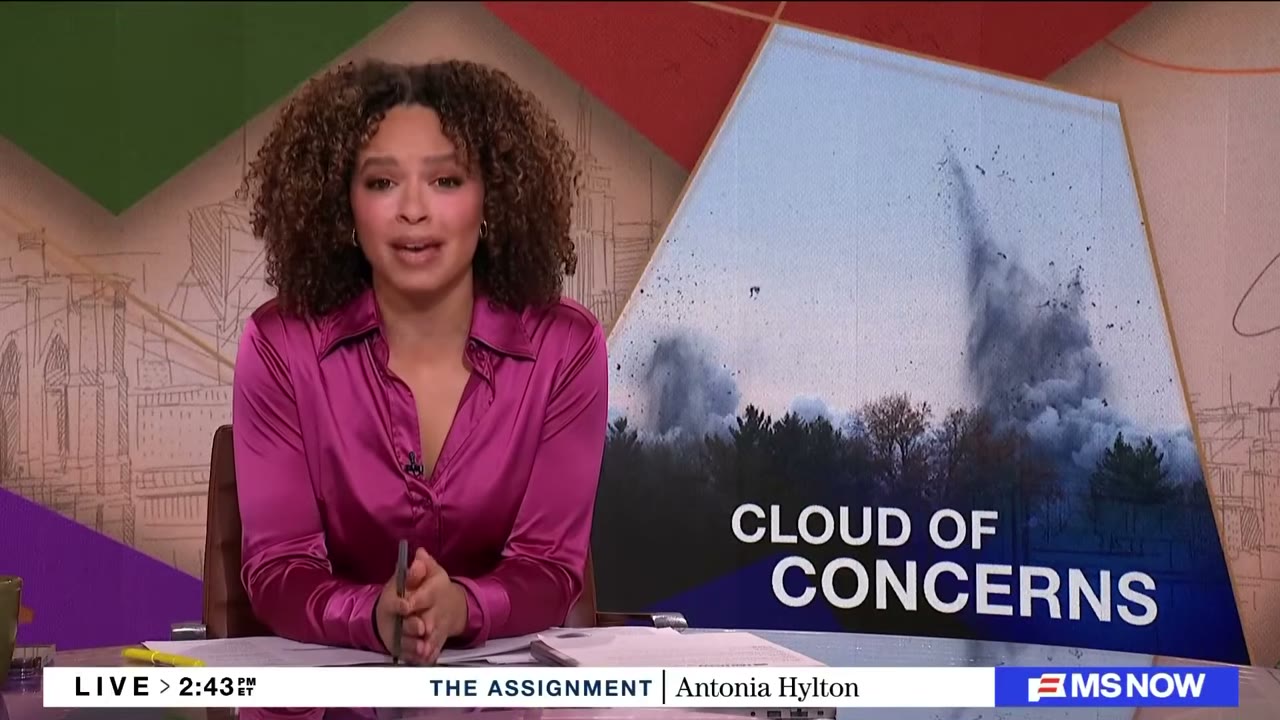
The EPA found no immediate rise in lead contamination in Iowa's water after the Army's controlled detonation before Thanksgiving, but soil and dust results are pending. Farmers Union VP Ryan Marquardt says farmers still worry about long-term exposure and distrust how the government handled the blast.
1EPA Finds No Immediate Lead Rise in Iowa Water After Army Detonation
Early water tests show no rise in lead contamination in Iowa after the U.S. Army's controlled detonation, which took place just one day before Thanksgiving. The EPA reported the initial readings, offering a first measure of reassurance about the water supply.
But the picture is incomplete. Results for soil and dust are still pending, leaving open whether contamination reached the ground and surfaces people touch.
The detonation happened a day before the holiday, and the EPA's findings so far cover only water. The pending soil and dust results will shape what residents learn next.
2Iowans Demand Answers on Little Notice Before Army Detonation
Iowans demanded to know why they got so little notice of the Army's plans, when the federal government had known about the unstable substance for at least several months.
Residents pushed the government to improve its mitigation strategies and questioned the Army's handling of the entire situation, according to the account. Their demands followed their detection of lead in the air.
The scrutiny put the timing of the warnings at the center of the dispute: the substance was known for months, yet residents say word of the Army's plans came late. Vice President J.D. Vance also weighed in on the matter.
3Vance Denies Trump Administration Blame for Unstable Substance
Vice President J.D. Vance denied that the Trump administration was responsible for the concerns, pointing instead to how the substance was stored in 2009.
"The can had been kicked down the road," Vance said, describing what he said happened under the Abbott administration, when the highly unstable material was stored with no real plan to move or neutralize it.
Vance said "we" in that account meant the Obama administration. His remarks pushed responsibility back more than a decade, away from the current administration.
4Farmers Union VP Says Long-Term Exposure Concerns Linger
No immediate evidence of exposure does not mean anyone can promise there are no long-term impacts, the vice president of Iowa's Farmers Union said after the EPA's initial review.
Ryan Rayan Marquort said the early results are encouraging, but that a gap remains between finding no immediate exposure and guaranteeing long-term safety. He said there are legitimate concerns, especially from farmers and residents near the Middleton area.
Asked how reassured farmers and residents feel, Marquort said what he is hearing is that those concerns persist despite the initial findings.
5Farmers Worry About Livestock and Food Supply Commitments
Cattle are grazing on fields right now, and deer are out there too, as farmers weigh what long-term exposure might look like and what its long-term effects might be.
The concern is not only the potential health of farmers' own livestock. It also reaches the commitments they can make to the people who depend on them for their food supply.
That worry stretches from the fields to the food chain, tying the detonation's aftermath to the promises farmers make to consumers.
6Bipartisan Pushback Delayed Blast and Added Mitigation
The blast went off a week later than originally scheduled, and the delay brought additional mitigation efforts that appear to have made a significant difference.
Bipartisan pushback, along with pressure from a variety of farm groups and local groups, drove the change, according to the account. The added safeguards followed that pressure.
As for what officials are trying to figure out, the assessment offered was that generally it looks like this has been a success.
7Trust Issues Remain Over Administration Cuts to Technical Staff
An underlying trust issue remains with the public over how the administration has conducted itself, including undermining and eliminating career technical staff, the Farmers Union vice president said.
Even with the immediate situation resolved, Ryan Rayan Marquort said that history feeds public distrust. He said continuing to monitor the situation in the future will be really consequential to building the trust needed to allay these concerns.
The message: the tests are one thing, and trust is another.
8Rising Cancer Rates Add to Iowans' Distrust of Government
Rising cancer rates were a major issue during the campaign, and fears that people were not taking them seriously enough had already strained trust among many Iowans before this incident.
People feared not enough was being done to address potential health risks to people of all kinds living in the state, according to the account. This is not the first story or incident that has led to a breach in trust.
Timing appears to be a big part of what breached that trust here, the account continued, tying the detonation's rollout to skepticism already built up over health risks.
9Federal Government Waited Months Before Revealing Detonation Plans
The federal government discovered the degrading substance back in March, but waited until October to release the plans, five days before the detonation date it originally set.
The timeline put people under pressure just days out before everything was set to unfold, according to the account. That gap between discovery and disclosure is central to understanding the strain on residents.
The question posed was how to grasp the kind of pressure this placed on people watching it unfold, including those far from Iowa.
10Farmers Question Timing of Detonation Before Thanksgiving
The detonation came right before the holiday, when a lot of people had their minds on other things, and it left a lot of questions.
Why do it now, when the dangerous substance had been known about for basically a decade and was going to be difficult to transport? What was the rush, farmers asked.
There was a lot of concern about how it was rolled out, the account said, describing a sense that officials would do it, not tell people much, and hope nobody really notices, like a Friday afternoon press release.
11Union VP Doubts Extra Precautions Without Public Pressure
Additional safety measures at the Army's detonation site likely would not have happened without public pressure, a Farmers Union vice president said.
He pointed to bipartisan outcry — cattle producers in Illinois and elected officials up and down the ballot at the state level — that he said forced the added mitigation efforts into place.
"I highly doubt that you would have seen all those additional mitigation efforts put into place without that bipartisan effort to address it, those concerns," he said.
He said the prep work at the explosion site showed a decent effort, with quite a bit of additional work apparently put in. The question now is whether those measures hold up over the long term.