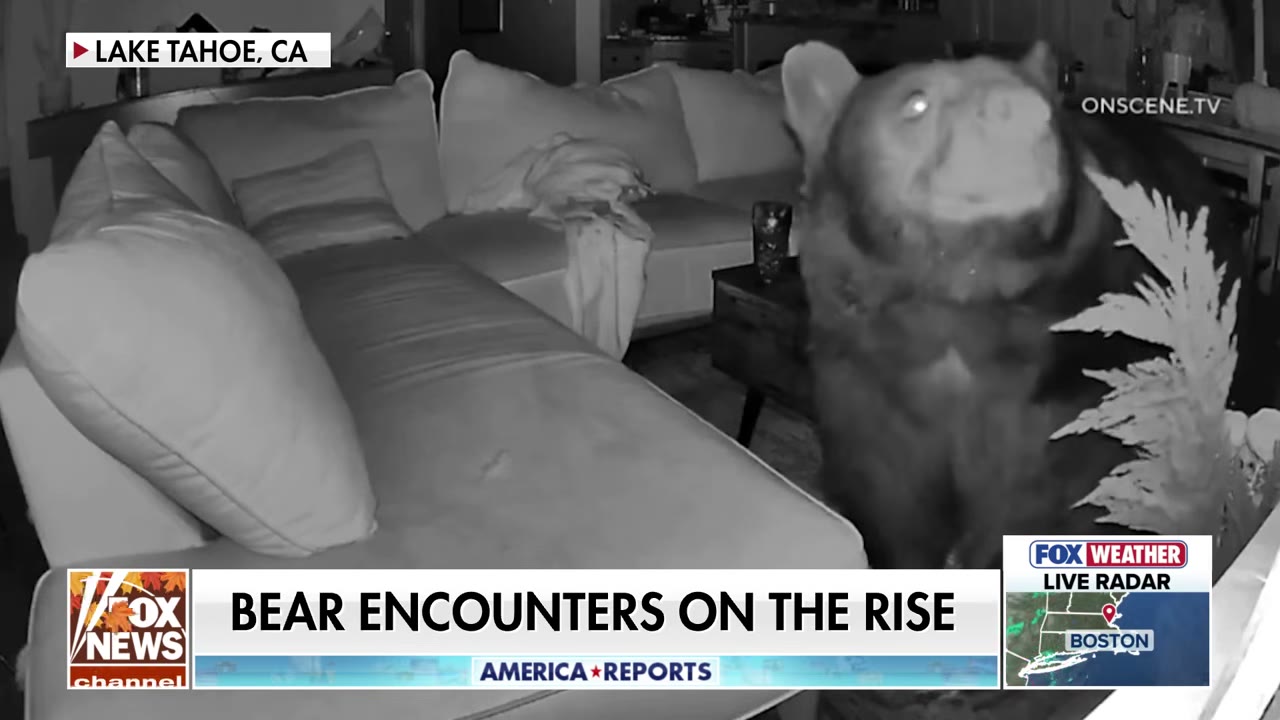
Bear encounters are rising sharply across the US, with Connecticut reporting at least 60 home invasions this year and Colorado logging thousands of encounters and 12 attacks. A wildlife biologist blames reduced hunting seasons and urban sprawl for the surge.
1Bear encounters and home invasions surge across US states
Bears are breaking into homes across the United States, and one state has already logged at least 60 home invasions this year. Connecticut recorded those break-ins as encounters with the animals climb nationwide.
Colorado has recorded thousands of encounters, and the animals are increasingly moving into residential areas and entering homes.
The pattern stretches from coast to coast, with bears showing up where people live rather than staying in the woods.
Officials and experts are pointing to a shift in how bear populations are handled, with more animals turning up in suburbs and backyards as encounters spike.
2Biologist blames reduced hunting for suburban bear problems
Colorado has recorded thousands of bear encounters and 12 attacks in 2026, according to the Parks and Wildlife Department. Wildlife biologist Tom Nelson says the reason is simple.
"We no longer manage the population of these animals in the forests, so we are forced to manage them in the suburbs," Nelson said.
He argued that public safety is the primary duty of government and that the duty has been neglected lately.
The numbers come as encounters rise nationwide, with bears increasingly entering residential areas and homes.
3Washington State ends spring bear hunt as attacks hit suburbs
Washington State has stopped spring bear hunting, and last month two bear attacks hit the suburbs, right in people's backyards. Wildlife biologist Tom Nelson tied the two together.
He warned that relying on wildlife initiatives and letting amateurs make the decisions will lead to less effective wildlife management.
Nelson said public safety is no longer a priority for government, and he pointed to Washington as an example of what follows when hunting seasons are canceled.
The attacks came as bear encounters surge nationwide, with the animals increasingly entering residential areas.
4Map shows bear collisions spreading across many states
Colorado reported 5,267 bear collisions for all of 2025. Since the start of this year, the count already stands at 12,149.
A map of states reporting more frequent collisions this year stretches from California to Vermont, and includes North Carolina, Oklahoma, Nevada, Montana and Massachusetts. The list goes on and on.
The Colorado figures were described as extraordinary, with this year's total already more than double the full prior year.
Collisions are being reported more often across the country as bears increasingly turn up in residential areas.
5Biologist says lost hunting seasons make bears lose fear
Hunters pay for licenses, buy equipment and pay Pitman-Robertson taxes that go toward wildlife conservation. Cancel the hunting seasons, biologist Tom Nelson argues, and animals lose their sense of fear.
He said the common thread across all the states seeing more encounters is a reduction in hunting opportunities for people who take the animals home, process them and put the meat in the freezer.
"Bear meat is a wonderful food," Nelson said.
Without hunting, local authorities are forced, in his words, to "put to sleep" the animals by hiring professional hunters. Urban sprawl, he added, means people are encroaching on bear habitat.
6Biologist advises residents how to reduce bear risks
Look for tracks in your yard, and for droppings significantly larger than a dog's. That is wildlife biologist Tom Nelson's advice to people living where bears are becoming more frequent visitors.
He said residents should be careful with bears and be prepared to defend themselves if the need arises.
Tie up your trash cans, he added, warning that loose garbage is forcing black bears to become neighborhood trash-picking bears.
His warning came as encounters surge nationwide, with bears increasingly entering homes and residential areas.