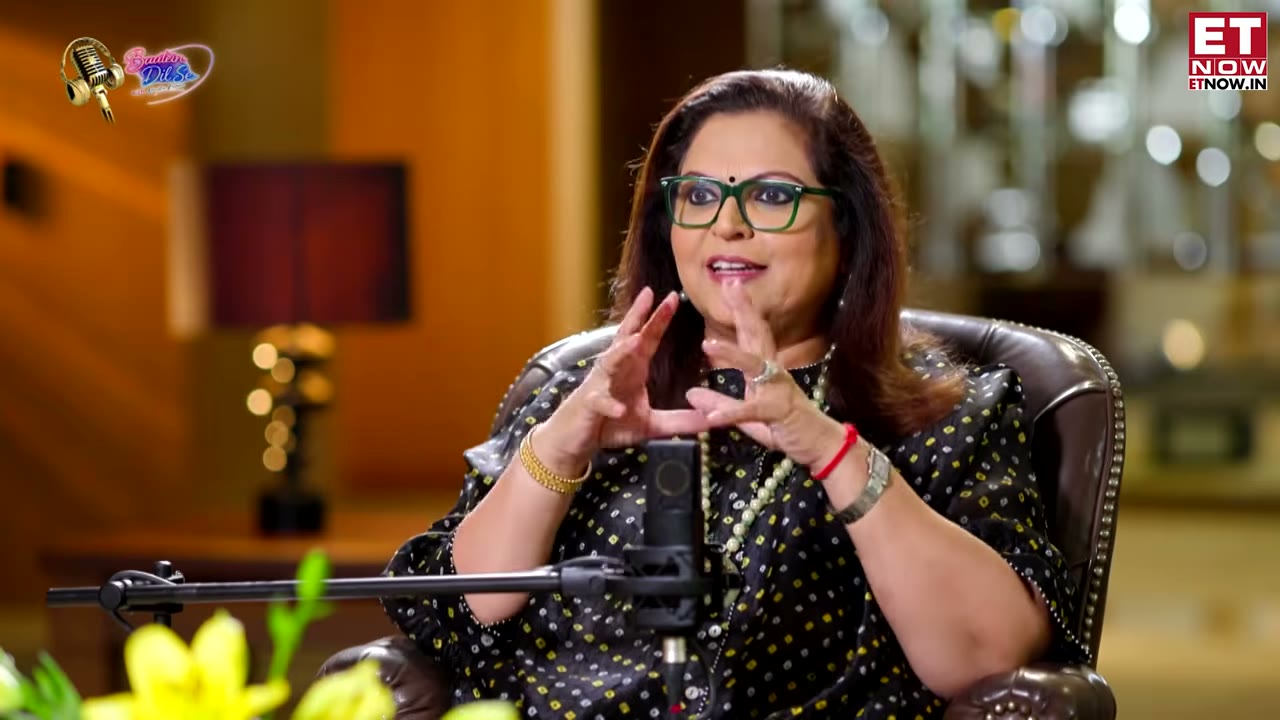
Sunil Bharti Mittal recounts his early trading career, from importing Suzuki generators at 23 to building India's first push-button phone brand. He describes how a single policy decision banned generator imports overnight, forcing him to reinvent his business.
1Sunil Mittal, 23, Seals Exclusive Suzuki Generator Deal in Bengali Market
A 23-year-old with no letter of credit walked out of a Bengali Market chat with exclusive rights to Suzuki generators — and within three years became India's largest importer of portable generators.
Sunil Mittal was supplying stainless steel sheets and YKK zippers from Japan when he spotted a Japanese man sitting in the market. Mittal, then 23 and a half, struck up a conversation. The man told him he had come to sell generators from Suzuki Motor Company but was having no luck.
Mittal saw the catalogs — 500 kVA, 750 kVA, 1000 kVA units — and asked why they weren't selling. "That would be worth its weight in gold, because we have such a huge energy deficit," he recalled thinking. He admitted he didn't even know what 500 kVA meant at the time; the math showed it was a few lamps and fans.
He told the man he'd take them. The man was skeptical, having tried Bombay, Calcutta and Madras with no business. Mittal said he was serious, betting Ludhiana would buy them fast because people were relying on battery inverters during all-night power outages.
The offer: a letter of credit before the man returned to Japan, and the generators were Mittal's on exclusive terms. Before the man got to Japan, the letter of credit was in place for the first shipment of portable generators. Profits hit 150-100 percent, and within three years Mittal became India's largest importer of portable generators.
2Government Ban on Generator Imports Wipes Out Mittal's Business Overnight
Generators were banned by a single political decision, and Sunil Mittal's business vanished in one night.
Mittal said he and his team waited with bated breath every year for the export-import policy to be updated. Then generators were banned because Birla Yamaha and Sriram Honda received licenses to produce them in India.
He recalled pleading that the factories would take two or three years to appear, and asking to be allowed to work in the meantime. "Nothing worked," he said. "So, the business disappeared overnight."
At the time he had a small office in Chennai, Kolkata and Delhi, a few people and many distributors. Everything disappeared in one night.
It was a sharp reversal for a man who had built the country's largest portable generator import business within three years, with profits he described as skyrocketing at 150-100 percent.
3Mittal Searches Japan and Korea Before Finding Push-Button Phones in Taipei
After the generator ban, Sunil Mittal packed his bag and went looking across Asia for a product that didn't exist in India yet — and found it at a trade show in Taipei.
Japan came first. He was shown VCRs, televisions, recorders and tape recorders. He knew he wanted to bring something new, but nothing worked.
Then Seoul. He looked at plastic tents, shoes, "anything I could get my hands on," because the idea was simply to keep the business going and make some more money.
Finally he reached Taiwan, to Taipei, and at an electronics trade show he saw push-button phones. "I said: this is it. This is what I will be doing," Mittal recalled.
That decision led to Beetel phones and, before them, Mitrow phones.
4Mitrow Brand Named to Sound German Before Becoming Beetel
The Mittal brothers' first phone brand was called Mitrow — a name picked to sound German, inspired by Braun.
Asked what kind of name Mitrow was, Mittal said it came from "Mittal brothers." The aim was for it to sound foreign. "So, Mitrow, and it sounded German," he said.
The phones themselves were fancy: Mittal says they brought India's first push-button phones from Taiwan, in different colors and models.
The name later changed to Beetel to connect the brand more closely with Bharti. BTL stood for Bharti Telecom Limited, a company that still exists in a different form. The letters were expanded, and BTL became Beetel.
Beetel was very successful, Mittal said, and remains so — the company still sells phones under the Beetel brand.
5Why Bharti, Not Mittal, Became the Family Business Identity
Sunil Mittal's middle name became his business identity because his father's inter-caste love marriage led the family to drop the Mittal surname.
His first company was Bharti Overseas Trading Company. The surname Mittal was not added to his name — he was Sunil Bharti, and his brothers Rakesh Bhartia and Rajan Bhartia carried the same middle name.
The reason: his father married a woman from another caste, and both parents were abandoned by their families. Mittal estimated the marriage took place around 1951 or 1952, based on his father's birth in 1931 and Rakesh's birth in 1955. He said he did not know the exact date.
Sardar Gurdayal Singh Dhillon legalized the marriage, Mittal said. His father was then a graduate, a budding politician and a student leader; his mother came from a traditional Khatri family. Mittal said his father's mother had expected him to marry someone important and was dissatisfied. "Go away," he recalled her saying.
His father then said the Mittal surname would not be passed on.