UK universities are offering degrees in content creation as the creator economy grows toward $480 billion. Students and experts debate whether the courses deliver real marketing skills or leave graduates in debt chasing an unlikely influencer career.
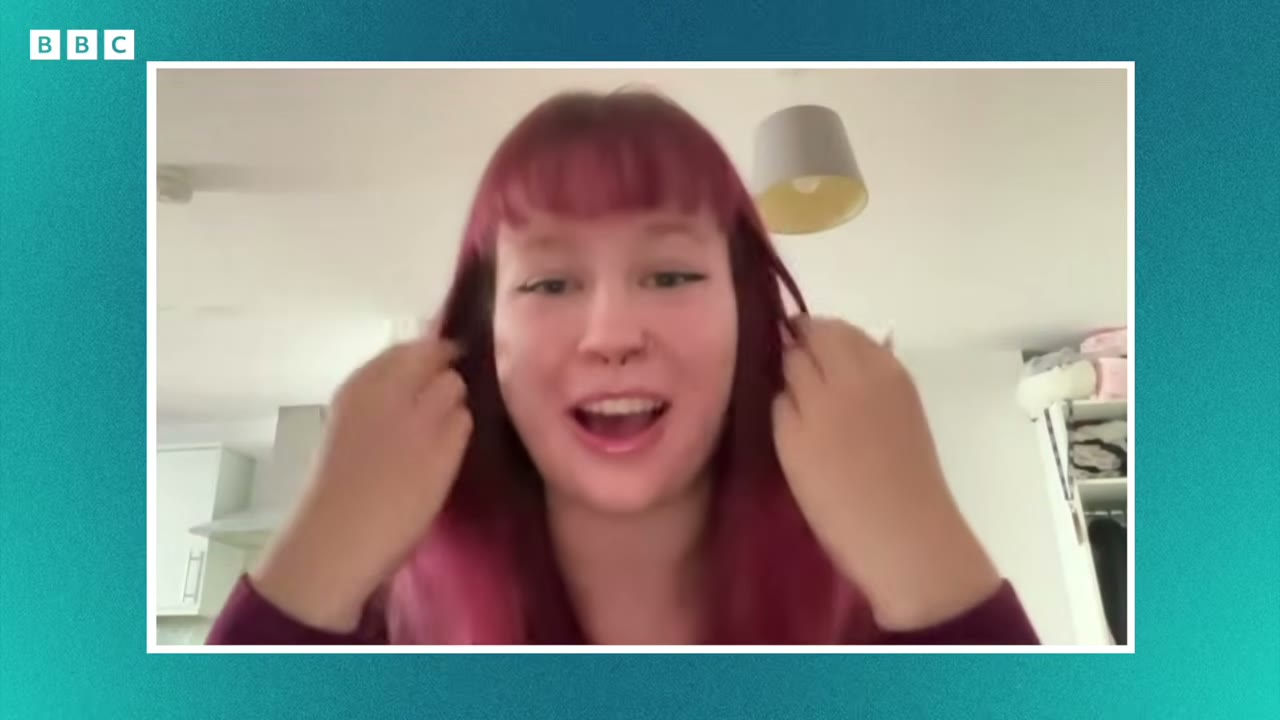
1Student Martyna explains why she chose Nottingham Trent's content creation degree
Martyna chose Nottingham Trent's content creation course because every brand she sees, big or small, has a social media presence — and someone has to run it. She wants in on that work. "I want to go into the marketing side of things," she said. Her goal is to promote brands, work in a team and make content. The course is broader than the name suggests: students produce long and short videos, but the teaching is mostly digital marketing, with elements of media studies, film studies and graphic design.
2Can confidence and on-camera charisma actually be taught at university
Confidence on camera can be taught, according to Martyna, a student on Nottingham Trent's content creation course. She calls it one of the simpler transferable skills the course offers. The logic: you need confidence to appear on camera, and the more you do it, the more comfortable you become. Personality is a different matter. Students who want to build their own online brand have to work on that side in their own time, she said.
3Martyna answers criticism that influencer degrees are not worth the debt
If you enrol on a content creation degree hoping to become an influencer, Martyna has a blunt answer: reconsider. "I don't really think it's the right course for you," she said, despite the name. She was responding to criticism that influencer courses are not worth the debt when the skills can be learned online. Her defence of the course is what happens outside lessons — students get work from the first semester to build connections and a portfolio. For digital marketing careers, she argues, that is the point.
4BBC journalist Megan Lawton finds 149 UK course options and US expansion
A search for "content creation" on Ucas, the UK's course directory, returned 149 options, BBC journalist Megan Lawton said. Not all are full degrees — some are modules within other courses. But she said more and more UK universities are launching full content creation degrees, and the trend has crossed the Atlantic: Arizona State University has just offered a full-time content creation degree. She said it is hard to put a specific number on how many courses exist, but the direction is clear.
5Creator economy valued at $250 billion and projected to reach $480 billion
Goldman Sachs valued the global creator economy at $250 billion last year and projects it will reach $480 billion by next year. That growth is the backdrop to the degrees now appearing at universities, with the first offered by a university in Ireland in 2024. Demand is there too: two US studies found roughly a third of respondents wanted to become influencers, while another said more than half of Gen Z did.
6Nearly half of content creators earn under $15,000 a year
Nearly half of people who consider themselves content creators make under $15,000 a year, according to a statistic cited in the reporting. About another quarter earn between $15,000 and $50,000, with only a small number at the top making the big money. So becoming an influencer is not a get-rich-quick route, though brand deals can pay well for those who break through. Arizona State University's course has said graduates could go on to earn six-figure salaries.
7No data yet on how many graduates succeed as influencers
There is no data yet on how many graduates of content creation degrees have become successful influencers — the courses are too new. At Nottingham Trent, course lead Jacky Gurr said very few students want to be influencers; most are there for digital marketing skills. Those skills matter across industries, whether the job is in front of the camera, beside it or in a business. The courses also cover the ethics of content creation and media law — what is and isn't legal to post — which self-taught creators may not know.
8Influencers split on degrees as creators question keeping up with algorithms
Influencers are split on whether a degree is worth it. Many say the best move is simply to start creating content. Conar Fair, a creator on Canada's west coast, questioned whether a three-year degree could keep up with changing algorithms. Aiesha Beasley, who has been creating for about 15 years in Arizona, said she would have signed up had the course existed when she started — she struggled most with monetising and brand deals. A medical doctor who is also a self-taught creator also gave his view.
9Doctor with a million followers says the degree is a bad investment
A UK doctor with more than a million followers across his platforms says the new content creation degree is not a good idea. Daanish argues a degree should lead to a job or outcome with some guarantee — like medicine, where there is no other route. Content creation, he said, has been done by millions without one, himself included. He warned against taking on debt for something with no guaranteed outcome and said people can learn by making videos, watching YouTube and improving as they go.
10What prospective students should weigh before spending tens of thousands
Prospective students weighing three years and tens of thousands of pounds should ask whether the degree makes them more employable, not whether it makes them the next Alix Earle. That is the pitch universities are making, according to Megan Lawton. Jacky Gurr, content lead at Nottingham Trent, said being an influencer takes personality and luck — things a university can only teach so far. What courses can teach, she said, are skills that set graduates apart from others creating content online.